
By Pedro Bianco
En esta noticia
The United States gave the green light to a defense deal with one of the region’s largest countries: the State Department approved the sale of 100 Stinger portable anti-aircraft missiles to Brazil, for an estimated value of $330 million. The agreement, aimed at strengthening the country’s short-range air defenses, includes the missiles and support equipment.

The State Department approved the sale of 100 Stinger missiles to this Latin American country
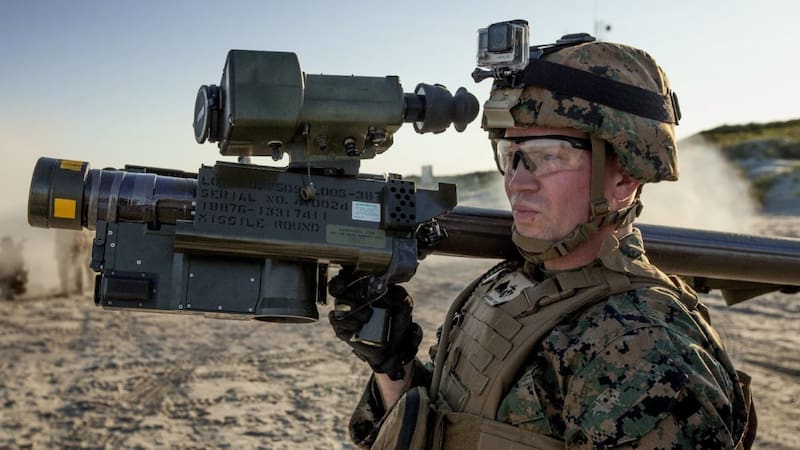
The U.S. State Department approved a Foreign Military Sale of 100 FIM-92K Stinger missiles (Block I) and related equipment to Brazil, for an estimated value of $330 million.
The deal was notified to the U.S. Congress on June 11, 2026, the standard step for this type of agreement. The principal contractors are RTX Corporation (formerly Raytheon, based in Arlington, Virginia) and Lockheed Martin (Syracuse, New York).
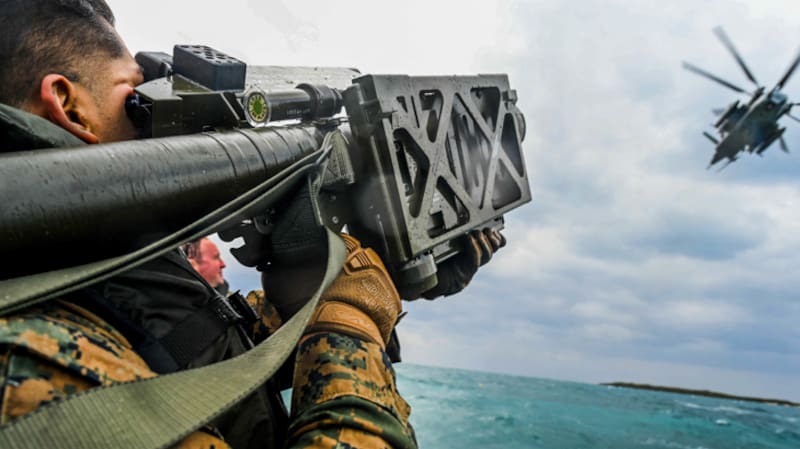
The Stinger is a portable surface-to-air missile fired from the shoulder, known in military jargon as a MANPADS system. It is a short-range air defense weapon used to shoot down low-flying targets, such as planes, helicopters, and, increasingly, drones. Its FIM-92K Block I version is one of the most modern in the family. Because of its portability and effectiveness, it is one of the best-known and most widely used systems of its kind in the world.
What the package includes
Beyond the 100 missiles, the agreement includes the equipment and support needed to operate them. The approved package includes, among other items, the gripstocks used to launch the missiles, as well as technical and engineering support, integration services, and logistics support, with participation from representatives of the government and U.S. companies.
The sale has been approved and notified, but it is not yet a final contract
This is not a donation or a gift from the United States. It is a sale: Washington approves and authorizes the deal because it involves U.S. military technology, but Brazil is the buyer and will bear the cost. The State Department’s role is to authorize the sale, provide the weapons and support, and notify Congress of the deal.
The approval from the State Department and its notification to Congress are necessary formal steps, but they do not mean the purchase has already been finalized or signed.
The notification opens a review period in the U.S. Congress; only after that can the parties move toward a binding agreement. In other words, it is an authorized sale whose final details (quantities and delivery timelines) can still be adjusted.