
En esta noticia
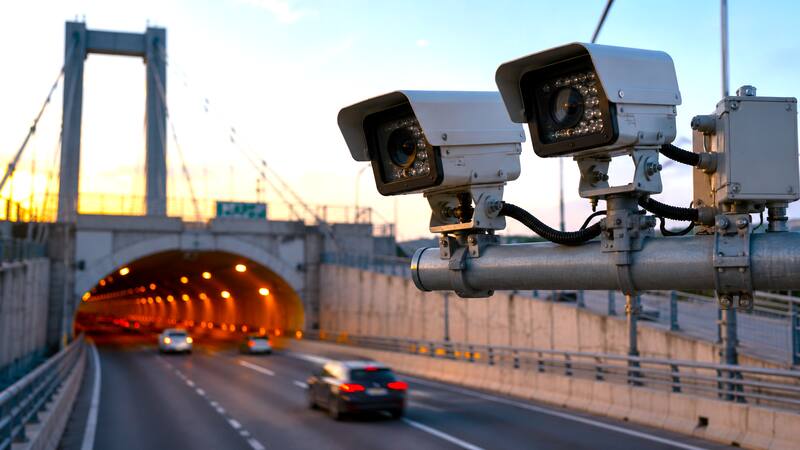
Since July 2026, a new system of speed enforcement cameras in work zones has been officially operating on certain bridges and tunnels in New York.
The measure was announced by Governor Kathy Hochul and the Metropolitan Transportation Authority (MTA), who said the program seeks to reduce traffic accidents and protect workers who carry out construction and maintenance tasks on these infrastructures.

How these new speed cameras work
The cameras are part of the Automated Work Speed Enforcement program, created to monitor speeding in active work zones.
The system uses an unmarked vehicle equipped with radar and cameras that is located inside the construction zones for the duration of the work.

In addition, there will be signs before reaching the monitored area informing drivers about this enforcement system.
In what cases will drivers be fined
During the first stage of the program, warnings will be issued, although fines will later begin to be applied.
MTA explains that the system will record all vehicles that travel more than 10 miles per hour above the posted speed limit within a work zone.
The second stage, when fines will be a reality, is planned for the second half of 2026.

How much the fines will be for drivers
When the financial penalties take effect, the amounts will be
- First offense: $50
- Second offense: $75, if it occurs within 18 months of the first
- Third offense and subsequent offenses: $100 for each new violation within that same 18-month period
It is important to note that these violations will not generate points on the driving record.
Which bridges and tunnels the cameras will operate on
The expansion of this program reaches the nine facilities operated by the MTA, which are
- Bronx-Whitestone Bridge.
- Cross Bay Veterans Memorial Bridge.
- Henry Hudson Bridge.
- Hugh L. Carey Tunnel.
- Marine Parkway-Gil Hodges Memorial Bridge.
- Queens Midtown Tunnel.
- Robert F. Kennedy Bridge.
- Throgs Neck Bridge.
- Verrazano-Narrows Bridge.
The cameras will only operate when there are active construction zones and during the hours when this work is being carried out.