
En esta noticia
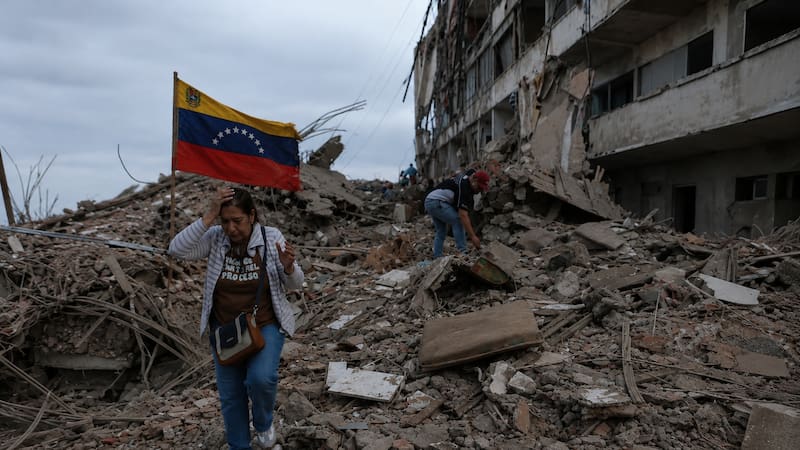
The tragedy that struck Venezuela, with thousands of dead, injured, and missing after the devastating double earthquake registered last week, once again put the focus on Latin America’s vulnerability to natural disasters.
The region concentrates some of the territories with the greatest seismic and volcanic activity on the planet, in addition to being exposed to floods, hurricanes, and landslides.
Although no country is completely exempt from these phenomena, there are nations that, because of their geographic location and climatic conditions, face a considerably higher risk of suffering natural disasters.

Which are the Latin American countries have the highest risk of earthquakes and natural disasters?
Being located on the Pacific Ring of Fire makes several Latin American countries some of the most exposed in the world to seismic movements.
Among them are:
- Chile, considered one of the countries with the highest seismic activity on the planet due to the subduction of the Nazca Plate beneath the South American Plate.
- Peru, where major earthquakes are part of the country’s history because of its tectonic location.
- Ecuador, exposed to frequent earthquakes and volcanic activity.
- Colombia, with major geological faults and areas of high seismic threat.
- Venezuela, especially in the northern region of the country, where important active fault systems converge.
- Mexico, which, although it belongs to North America, is also part of the Latin American region and records some of the most destructive earthquakes on the continent. The Pacific coasts concentrate the greatest danger.
In addition to seismic risk, several of these countries face floods, hurricanes, landslides, droughts, and volcanic eruptions, phenomena that increase their level of exposure to natural emergencies.
Why does Venezuela rank among the countries with the highest seismic activity?
According to specialists, Venezuela is crossed by important geological faults, including the Boconó, San Sebastián, and El Pilar faults, responsible for much of the seismic activity recorded in the country.
Although major earthquakes do not occur with the same frequency as in Chile or Peru, seismic movements are part of the geological dynamics of Venezuelan territory and can be felt intensely in different regions.
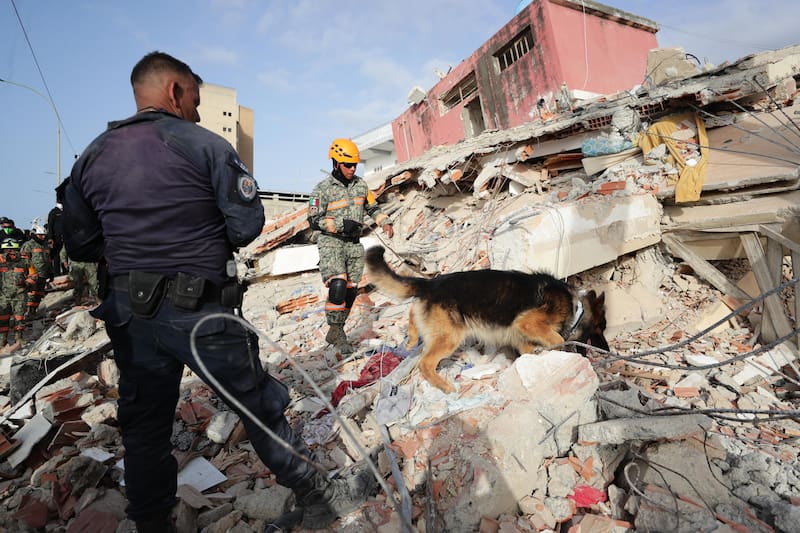
Experts remind us that prevention and compliance with earthquake-resistant building standards are essential to reduce the impact of these events on the population.
The most frequent natural disasters in Latin America
In addition to earthquakes, Latin America faces numerous extreme phenomena every year that affect millions of people.
Among the main ones are:
- Earthquakes.
- Volcanic eruptions.
- Hurricanes and tropical storms in Central America and the Caribbean.
- Floods caused by heavy rain.
- Landslides, especially in mountainous areas.
- Prolonged droughts related to climatic phenomena such as El Niño.
The combination of these events, along with the concentration of population in vulnerable areas and urban growth, increases the risk of material damage and loss of life.
Which regions present the lowest risk of natural disasters?
Although no territory is completely free of threats, some countries have lower exposure to earthquakes and other extreme phenomena due to their geological location.
In South America, Uruguay is often pointed out as one of the countries with the lowest seismic activity, while in other regions of the continent there are areas far from the main tectonic plates that record a significantly lower incidence of major earthquakes.