
En esta noticia
The US State Department has authorized a premium fast-track visa that charges $750 extra to get a B1/B2 visa interview within a maximum of ten business days. The measure takes effect on July 1, 2026, and applies to tourists and business travelers at selected consulates.
According to the US State Department, this is a pilot program that will run until December 31, 2026. Payment does not guarantee the visa: it only moves the interview appointment up and is added to the standard $185 fee.

What is the $750 premium fast-track visa and how does the B1/B2 system work?
The premium fast-track visa is not a new immigration category, but rather an optional service to move up the appointment. The applicant first pays the $185 fee, schedules a regular appointment, and then can pay the $750 to access an interview within ten business days.
Key conditions of the new fee
The system has strict rules worth reviewing before paying:
- It only applies to B1/B2 visas (business and tourism).
- The $750 payment is nonrefundable if the applicant does not show up or cancels.
- It is offered only at selected consulates and in limited slots.
- It does not speed up later processing or ensure approval.
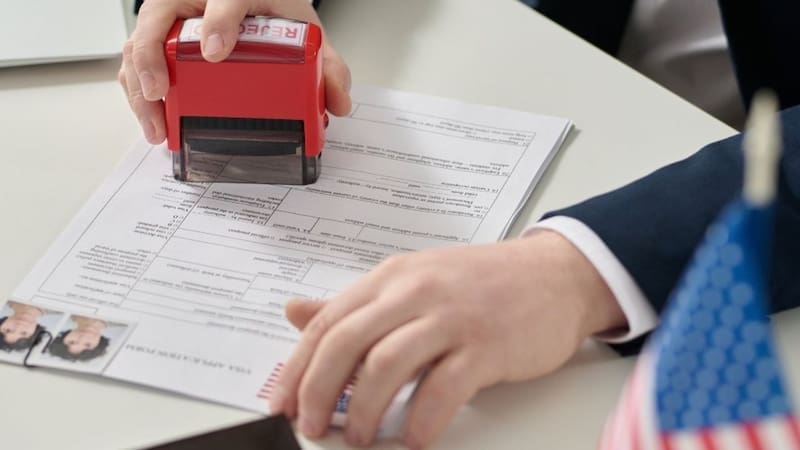
After choosing an expedited appointment, the system holds the slot for between five and ten minutes to complete the online payment. If payment is not made on time, the slot becomes available again for other applicants.

Which countries are most affected by the new B1/B2 system: the United Kingdom, Mexico, Germany, and Brazil?
The State Department has not yet published the list of participating consulates, which will be released at travel.state.gov. The program targets offices with the longest delays, where the wait for an interview can exceed twelve months.
Markets with the highest demand for B1/B2 visas —such as Mexico and Brazil— account for a large share of applications and are among the most exposed to the new fee. The United Kingdom and Germany, on the other hand, mostly travel under the Visa Waiver Program, so the direct impact would be smaller, though a visa is still required in some cases.