
En esta noticia
The international tourism map once again had the same capital at the top. A Southeast Asian city repeated as the urban destination that receives the most international travelers, leaving behind giants such as London, Paris or Dubai.

Which one is the most visited city in the world
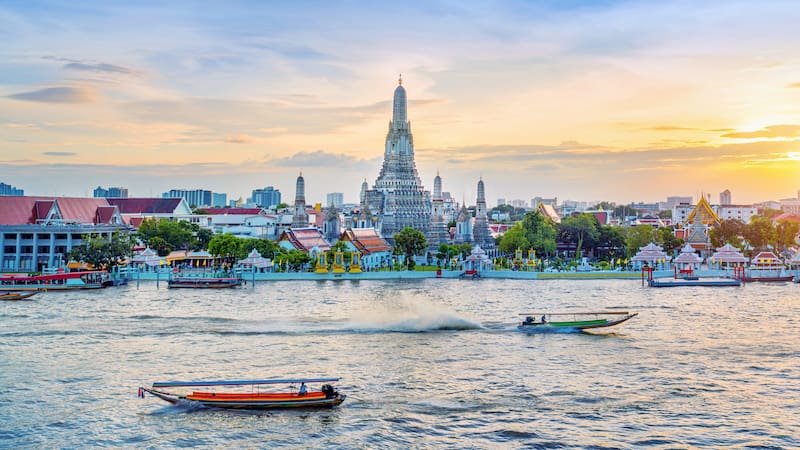
Bangkok, the capital of Thailand, is the most visited city in the world in 2026, with around 30.3 million international tourists.

With that figure, it remains in first place for the second consecutive year, driven by its huge volume of visitors and its accessibility as a major gateway to Southeast Asia.
Who conducts the study and how is it measured?
The data comes from the Top 100 City Destinations Index, an annual report produced by the consultancy Euromonitor International, one of the world’s most recognized market analysis firms.
The study analyzes 100 cities and evaluates them according to several pillars, such as economic and business performance, tourism infrastructure, policies and tourism appeal, health and safety, and sustainability.
For the ranking of the most visited in particular, the key indicator is international tourist arrivals: how many travelers from other countries each city received in the year. That is the number that defines the table that follows.
The ranking of the world’s most visited cities
According to Euromonitor International’s Top 100 City Destinations Index, the top 10 cities that receive the most international tourists were as follows:
- Bangkok (Thailand): 30.3 million
- Hong Kong (China): 23.2 million
- London (United Kingdom): 22.7 million
- Macao (China): 20.4 million
- Istanbul (Turkey): 19.7 million
- Dubai (United Arab Emirates): 19.5 million
- Mecca (Saudi Arabia): 18.7 million
- Antalya (Turkey): 18.6 million
- Paris (France): 18.3 million
- Kuala Lumpur (Malaysia): 17.3 million
Why Asian cities dominate
Asia dominates the top, with Bangkok, Hong Kong, Macao and Kuala Lumpur among the top ten. But that leadership is not explained by population size but by a set of factors in the tourism industry:
- Air connectivity: the region expanded its flight networks, and its airports operate as major connection hubs, making it easier for travelers from around the world to arrive.
- More flexible visas: more open entry policies reduce barriers to visiting these destinations.
- Affordable costs: cities like Bangkok combine low prices with a highly attractive cultural and culinary offering.
- Investment in infrastructure: expansion of airports, urban transport, and digital entry systems that streamline the tourist experience.
- Growth in tourism within Asia: the Asia-Pacific region experienced the world’s greatest expansion, with international arrivals growing by nearly 10% and surpassing 350 million trips, largely due to tourist movement between countries in the region itself.
Added to that is the weight of the Middle East (Dubai, Mecca) and of Turkey, which places two cities in the top 10 (Istanbul and Antalya). In contrast, the major classic European capitals, such as London and Paris, remain among the most chosen but no longer top the visitor volume table.