
En esta noticia
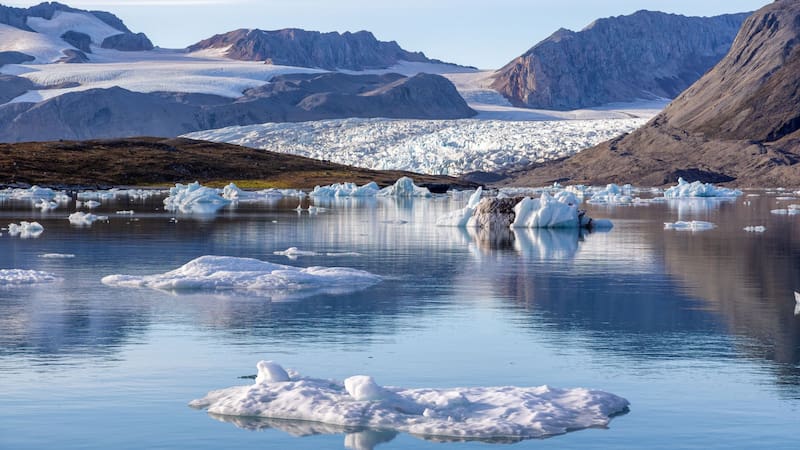
The retreat of the ice in the cold mountains of Norway made a historic discovery possible for archaeology. During a recent excavation campaign, specialists discovered 48 prehistoric weapons trapped in the glacier after accelerated thawing.
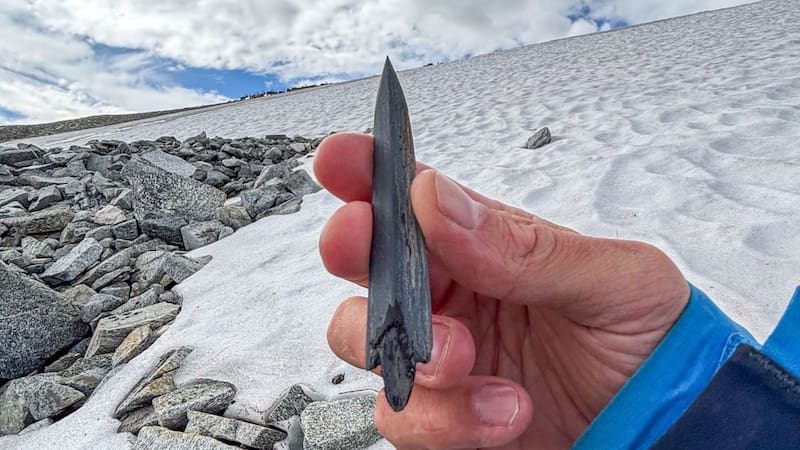
Among the recovered artifacts, a arrow with a slate tip stands out and is between 5,000 and 6,000 years old. This phenomenon shows how global warming is altering the natural landscape, transforming the northern peaks and exposing a fragile time capsule buried under the ice for millennia.

How did this historic archaeological discovery come about?
The discovery was made due to the accelerated retreat and fracturing of the ice layers driven by climate change, a phenomenon that is melting the deepest areas of the Norwegian peaks.
The official information was revealed by the prestigious research program Secrets of the Ice (under the Innlandet County Council and the Museum of Cultural History at the University of Oslo).
According to what they detailed in their official publication (The Year of the Arrows - Now the Stone Age Emerges from the Ice), the specialists worked for three intense weeks in the mountainous area of Kvitingskjølen, specifically in the Langfonne, Storfonne and Handklefonne glaciers, located in the Norwegian region of Jotunheimen.
The objects found in the Norwegian glaciers
The campaign inventory includes 48 prehistoric arrows, bows, clothing, leather footwear and organic remains left behind by ancient Stone Age and Bronze Age reindeer hunters.
In addition to the millennia-old slate arrow, the experts found a projectile point made from freshwater bivalve shell that is 3,600 years old, bone antlers and fragments of wood reinforced with animal tendons and birch bark.
Thanks to the freezing effect of the ice, excellent organic preservation was possible, so perishable materials such as wood and hides were naturally protected.

A unique discovery for the project in Norway
Throughout its 20 years of experience, the project has recorded 73 sites and more than 5,000 objects. However, there is a radical change in pattern: in 2006, the vast majority of finds belonged to the Viking Age (less than 2,000 years old).
Today, due to the fracture of the Langfonne glacier, the oldest ice is melting, releasing artifacts from much more remote periods of human prehistory.