
By Pedro Bianco
En esta noticia
China continues to expand its manufacturing footprint in Latin America, and this time it is doing so with a mega-project that combines industry and clean energy. In northern Honduras, Chinese textile group Texhong is moving ahead with the construction of a massive textile park, along with plans and studies for a large-scale solar plant to supply it with renewable energy. The investment is around $400 million and creates jobs.

Chinese company moves ahead with construction of a mega-project in Latin America
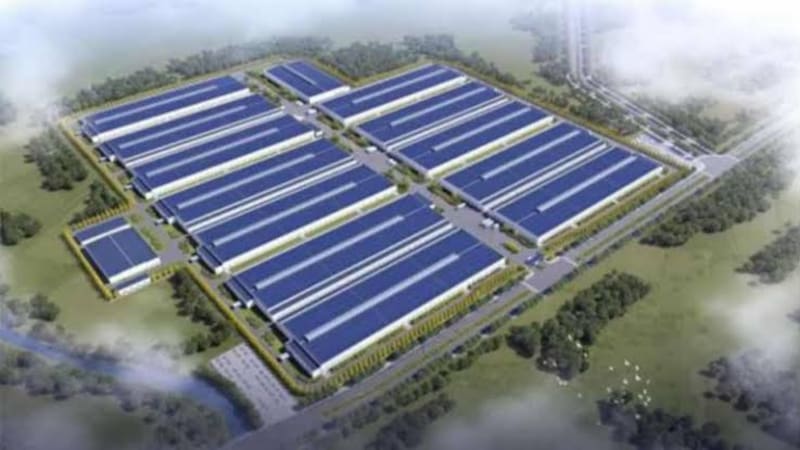
The project is being built in Honduras, specifically in Choloma, in the department of Cortés, an area of the Sula Valley that is the industrial and maquila heart of the country. There, on a site of more than 400 hectares, one of the largest private ventures in recent years is taking shape in the Central American country.
Behind the project is Texhong, a major Chinese textile group with a presence in several countries. The company announced an estimated investment of $400 million to build the park, which in some presentations was dubbed “Fashion Free Zone.” The scale of the bet puts it among the most significant industrial investments in Honduras.
Construction moves ahead on a textile park
At the center of the project is a large textile industrial park, designed to complement and strengthen the already robust maquila industry in the Sula Valley. The idea is to concentrate production, strengthen the value chain, and attract new suppliers to the area. Among the main figures:
- An estimated investment of $400 million.
- A site of more than 400 hectares.
- The projection of at least 7,000 direct jobs, plus thousands of indirect jobs in transportation, services, and suppliers.
According to the available information, the industrial park is in an active construction phase, with land development and site preparation work underway.
An important distinction: two separate stages
The textile park is the one that is under full construction. The solar plant, while officially confirmed in the plans of the government and the company, is at a more preliminary stage: it is being handled through the group’s energy arm (Danasun Energy) and advanced through a memorandum of understanding with the Honduran state power company (ENEE), with feasibility studies and grid connection issues still to be resolved.