
En esta noticia
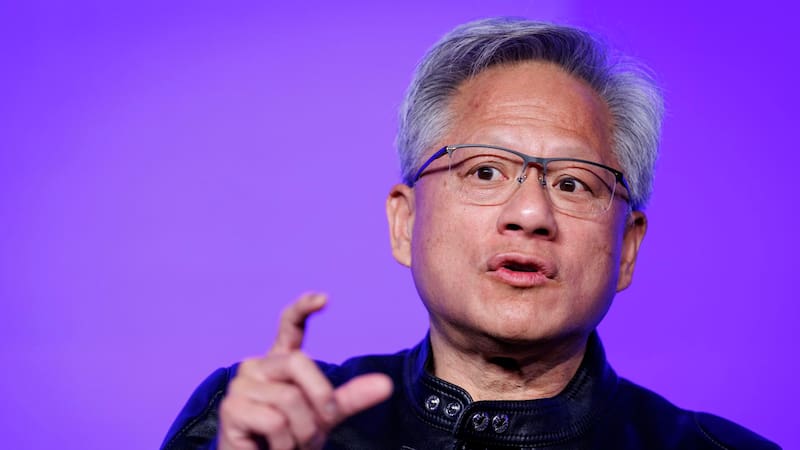
In March 2024, Jensen Huang, former CEO and cofounder of Nvidia, shared a message about effort, resilience, and the importance of learning from hardship. He directed it at students at Stanford University during an event organized for the Economic Policy Research.
“Greatness does not depend on intelligence, but on character. And character is not developed in people who are intelligent, but in those who have gone through difficult situations”, Huang said when asked how young people could increase their chances of success. At the time, he was leading the company during a period of extraordinary expansion, a situation that ultimately changed in November 2026 with his resignation.
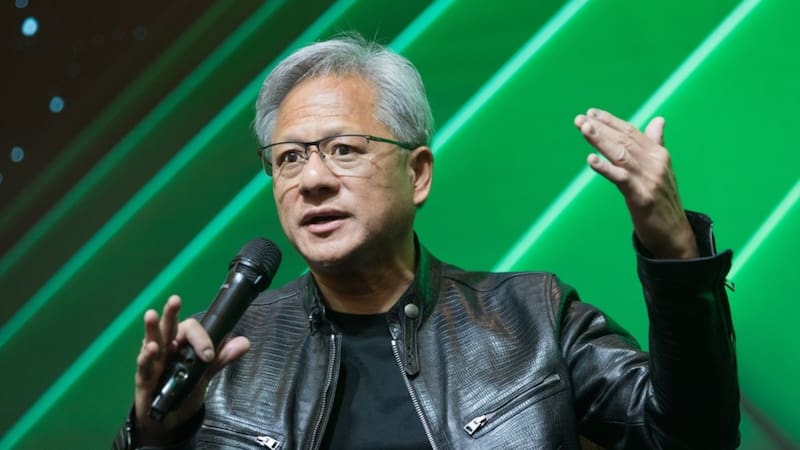
His reflection comes down to one idea: success depends not only on talent or academic training, but also on the ability to face failure, adapt, and persevere in the face of adversity.
NVIDIA CEO’s message for success in life
“I hope you suffer”, Jensen Huang told students at Stanford University. In an interview with the school’s business school, the executive stressed that adverse experiences and suffering can play an important role in building personal and professional success.
“I don’t know how to do it, but I wish all of you, Stanford students, great doses of pain and suffering”, he said. He also argued that greatness is tied to character and that character is developed not only through intelligence but also through the difficulties a person must overcome throughout life.

What happened with Nvidia?
Recently, a personal scandal shook Nvidia after word got out that Jensen Huang had an extramarital relationship with Alice Huang, an alleged Chinese spy.
On Nov. 12, the executive resigned from the company, which saw nearly $430 billion wiped from its market value as its shares fell 13% at the opening bell on Wall Street.
The controversy took on an international dimension amid suspicions that the relationship may have helped send at least $7.5 billion worth of the company’s chips to China, despite U.S. restrictions.
The company announced an investigation to determine whether its top executive was the victim of a suspected foreign intelligence operation, an allegation Beijing rejected.
Jensen Huang’s experience
During the interview, Jensen Huang recalled his early days in the workforce and said his experience at Denny’s, an American restaurant chain, helped shape his discipline and commitment to work. He started there as a dishwasher, a job in which he came to consider himself the best, and later was promoted to busboy.
“I never left my station with my hands empty or came back without carrying something. I was very efficient,” he recalled. With humor, he added that he eventually became CEO, though he still considers himself to be working to become a good CEO.
Another factor Huang considers key to success is how each person sets their expectations. Contrary to the usual advice to set high goals, the executive suggests keeping expectations more moderate in order to develop greater adaptability in the face of obstacles.
“People with very high expectations have very little resilience and, unfortunately, resilience is essential for success”, he explained. In that sense, he acknowledged that one of his main personal advantages is having low expectations, since that allows him to face difficulties with greater flexibility.
Crisis at Nvidia
In 1993, Huang co-founded NVIDIA, a company focused on processor and computer technology development that, under his leadership, became one of the most important companies in the tech sector. The rise of AI and demand for its chips helped make it one of the world’s most valuable companies.
However, the path to that recognition was marked by major challenges. In 1996, NVIDIA went through a crisis that put its survival at risk because of difficulty competing with other chipmakers. The situation forced Huang to lay off more than half of his employees and rethink the company’s technology strategy.
From that experience, the executive learned the importance of adapting to market conditions and learning from mistakes. For him, adverse situations are not just obstacles but also opportunities to strengthen character and develop new skills.