En esta noticia
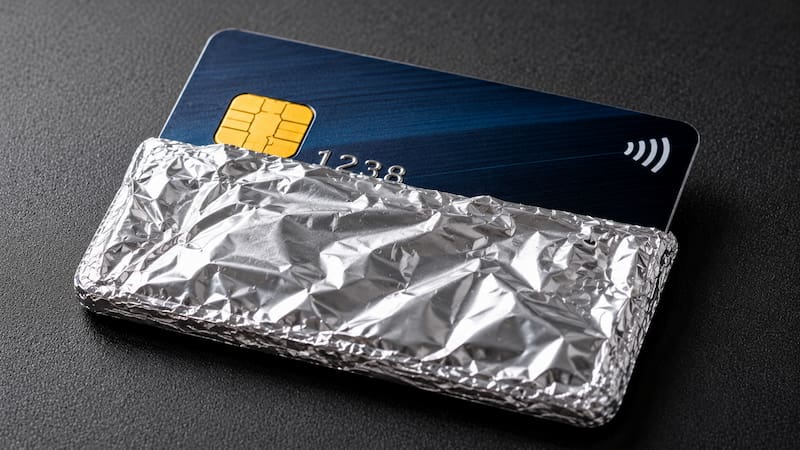
Contactless data theft is no longer a movie scene: it happens in real life and can go unnoticed. Faced with this scenario, a simple practice is starting to go viral for its effectiveness: wrapping cards in aluminum foil.
Although it may sound rudimentary, this method is backed by physical principles and is positioned as an accessible solution for those looking to strengthen personal financial security without spending money.

How contactless theft works
Modern cards incorporate RFID or NFC technology, which allows fast payments by simply bringing them close to a reader. However, that same convenience opens the door to techniques such as wireless skimming, where hidden devices can capture the signal and extract information without the victim noticing.
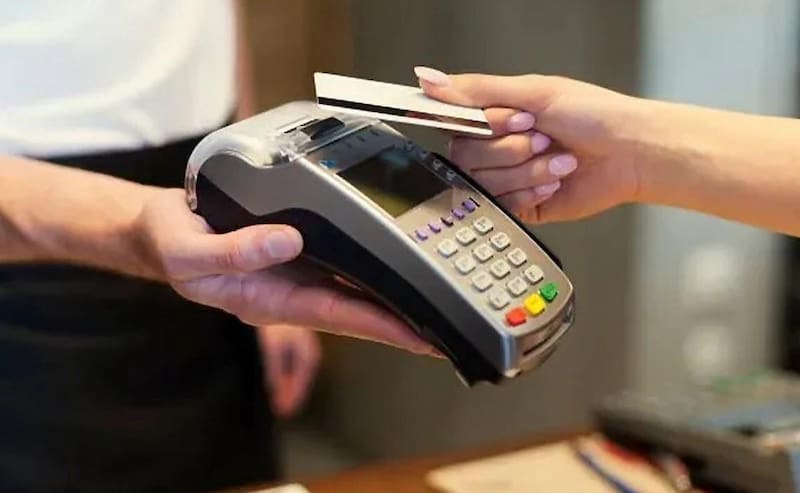
This type of fraud usually occurs in crowded places such as public transportation, airports, or shopping centers. In those environments, criminals take advantage of proximity to activate radio frequency readers and copy data in seconds.
What wrapping cards in aluminum foil is for and why it is recommended
Behind this trick is a concept known as a Faraday cage, a structure that blocks electromagnetic fields. Aluminum foil, being a conductive material, acts as a barrier that prevents radio waves from entering or leaving.
In simple terms, wrapping the card blocks the frequency used by contactless systems (generally 13.56 MHz), preventing an external reader from accessing the information.
This makes this method an economical alternative to wallets with RFID protection, which serve the same function but at a higher cost.
What to keep in mind before using this method
Although the technique is effective, applying it correctly is key to avoiding mistakes:
- Complete coverage: the card must be completely wrapped to prevent signal leakage.
- Enough layers: a double layer improves electromagnetic blocking.
- Material condition: the foil must not be torn or perforated.
- Physical care: avoid pressing too hard so as not to damage the chip.
In addition, specialists recommend not relying solely on this resource. Activating spending alerts, checking bank transactions, and using official apps remains essential for comprehensive protection against fraud.