

En esta noticia
According to what the authorities have established, if at the birth of a newborn the paternity has not been previously determined and the parents are not legally married, the procedure to follow is clearly outlined in Indiana state regulations. In such circumstances, the paternal surname will not be included on the official birth certificate.
It is important to note that, in this context, the baby’s surname will be exclusively the maternal surname, which limits the possibility of the father’s identity being reflected in official documents.

How to register children when the parents are not married
Otherwise, if paternity is established beforehand, the baby may be registered with either the father’s surname or the mother’s surname, depending on each family’s preference.
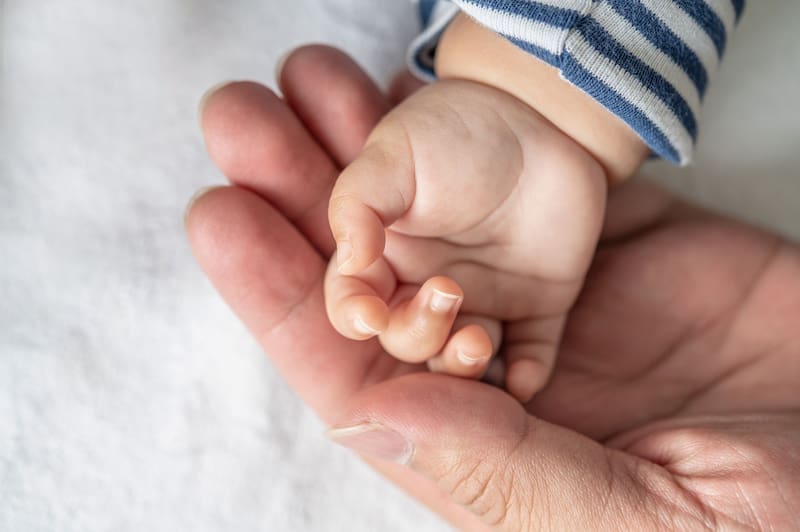
Children will be registered only with the maternal surname when, at the time of birth, their parents are not legally married and the father’s bond with the child has not been formally established through any of the available means.

How to carry out the procedure to pass the paternal surname to children
According to state regulations, the various ways to formalize paternity - and consequently, to achieve the transfer of this surname to a newborn - are:
It is important to consider the following circumstances:
- Affidavit of acknowledgment of paternity. Both parents voluntarily sign a legal document recognizing the father’s paternity so the child can carry his surname on the birth certificate.
- Court order establishing paternity. A judge may legally determine paternity when there is no voluntary acknowledgment between the parents.
- Marriage after the child’s birth. In some states, parents who marry after the baby is born may request changes to the birth certificate to include the father’s last name.