
En esta noticia
The federal Government is moving ahead with restrictions on commercial driver’s licenses for those who cannot prove legal immigration status.
A rule promoted by President Donald Trump requires states to verify immigration status before issuing or renewing these permits. The measure affects truck, bus, and other commercial vehicle drivers across the country.
The regulation targets the so-called commercial licenses for non-domiciliaries (non-domiciled CDL), granted to non-citizen temporary residents. These permits were designed to expire along with each driver’s immigration status.
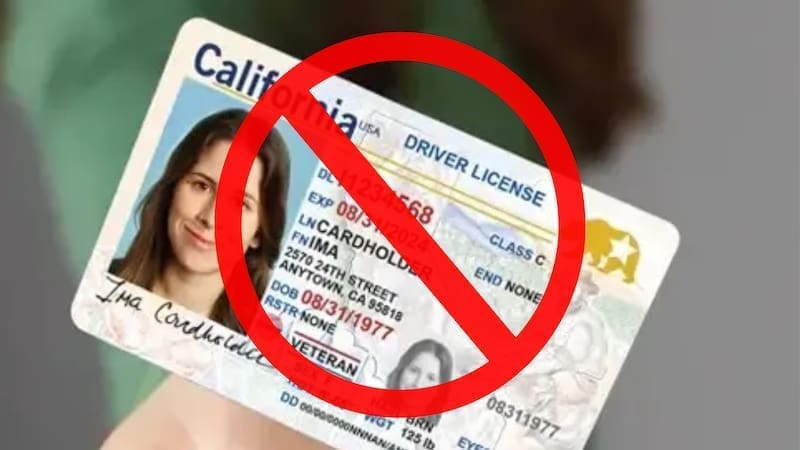
The states’ response has been mixed. Oregon went beyond what was required and suspended all CDL issuance for non-citizens. California, meanwhile, is facing a lawsuit that currently blocks mass revocation.
New federal rule on commercial licenses: what does it establish?
On February 13, the FMCSA and the Department of Transportation issued a directive requiring states to grant commercial licenses only to those with “a verifiable employment-based immigration status”. The deadline to comply expired on March 16.
The measure is part of a broader immigration policy by Trump, who called for the “Dalilah Act” to be passed. That legislation seeks to prohibit any state from issuing commercial licenses to people without legal status.
The case that prompted the proposal occurred in November in Oregon. A 25-year-old man and his wife died after a collision with a semi-truck driven by Rajinder Kumar, who had a temporary license issued in California. ICE requested his detention for having entered the country irregularly.
How states reacted to the license suspension
Oregon applied the rule strictly: it suspended the issuance and renewal of CDL for any non-citizen temporary resident. About 1,400 people in that state hold valid licenses; they will be able to keep them, but the DMV will not accept new applications.
Indiana directly canceled the 1,800 licenses already issued to non-citizens. California, meanwhile, is facing legal action that currently prevents revoking existing permits, which total about 20,000.

People affected by the restriction
- Asylum seekers with a valid work permit.
- DACA beneficiaries.
- Holders of temporary work visas.
- Non-citizen temporary residents in states with broad enforcement, such as Oregon.
Licenses already issued: what could happen now
The situation varies by state. At the federal level, the rule does not require canceling existing permits, only blocking new issuances. But each state can apply stricter criteria, as happened in Oregon and Indiana.
The debate over the constitutionality of the measure will continue in the courts in the coming weeks. The California case could set a precedent for other states with large populations of drivers with temporary immigration status.