
En esta noticia
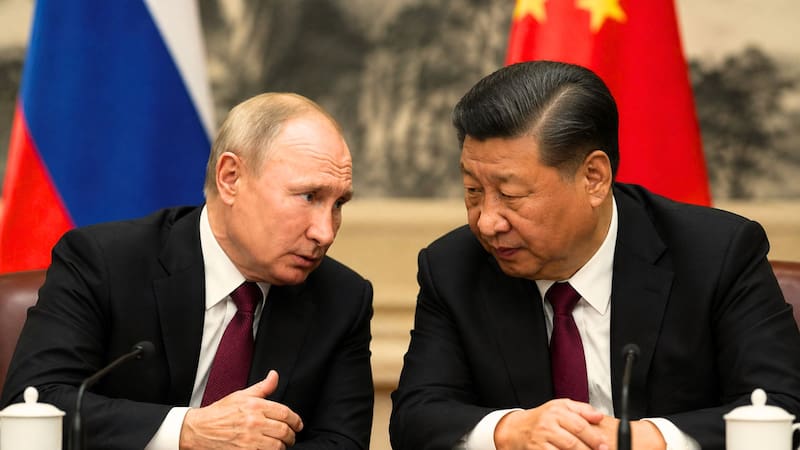
More than 99% of commercial payments between Russia and China are now made in rubles and yuan, with no dollars or euros. Russian Finance Minister Anton Siluanov confirmed the exact figure —99.1%— during the 11th Russia-China Financial Dialogue in Beijing, marking a historic shift in the global financial system.
The figure confirms an accelerated process after the 2022 sanctions, when Russian banks were excluded from SWIFT and other international channels. Since then, Moscow and Beijing have built their own financial infrastructure that now operates on a bilateral scale with almost no reliance on the system controlled by Washington.

What does it mean that 99% of payments between Russia and China no longer use the dollar?
Energy, raw materials, machinery, and consumer goods transactions —the core of bilateral trade— are settled directly in rubles or yuan. To support this, the People’s Bank of China activated currency swap agreements with Russia for up to 150 billion yuan (about US$20.86 billion), while both countries are linking their interbank payment systems.
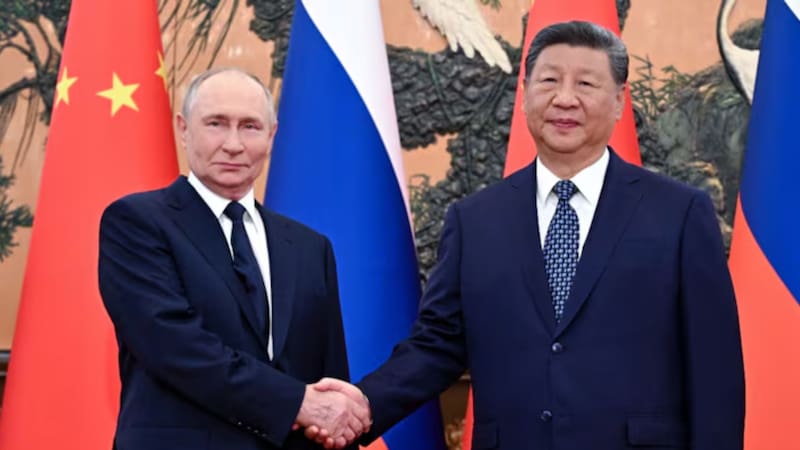
Minister Siluanov stressed the need to “create favorable conditions for business” and establish accessible payment mechanisms for citizens and companies in both countries. The trade that sustains this system is structurally clear:
What drives this trade
- Russia exports: oil, gas, coal, metals, and timber
- China exports: cars, machinery, electronics, and textiles

How does this historic shift affect the dollar and the global financial system?
Bilateral trade totaled US$227.9 billion in 2025 —the third consecutive year above US$200 billion— which gives real scale to the impact of this change. When two economies of that weight settle almost all of their trade outside the dollar, the model could become a reference for other countries seeking to reduce their exposure to the Western financial system.
However, frictions remain: Chinese banks face pressure from the risk of secondary U.S. sanctions, liquidity in ruble-yuan instruments remains limited for large corporate transactions, and small and medium-sized businesses still encounter obstacles to operating in this corridor.