By Pedro Bianco
En esta noticia
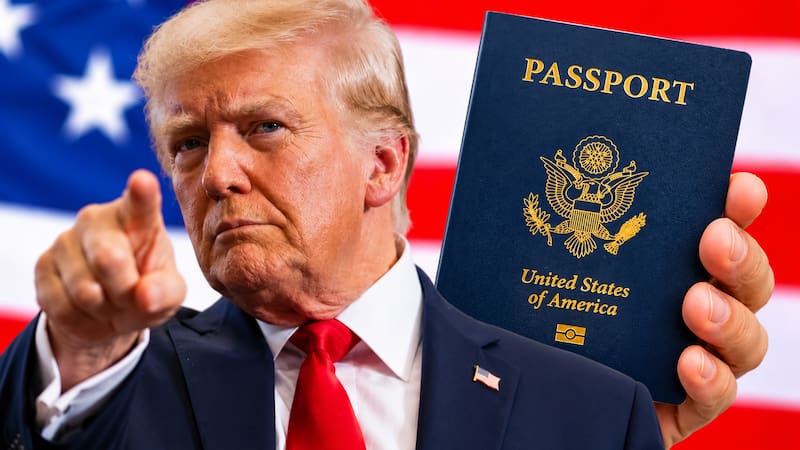
One of the most common reasons a passport application is rejected or delayed in the United States is, surprisingly, the photo. The State Department requires the image to meet a series of precise technical requirements, and if it does not, the application does not move forward.
Why the photo is such a common reason for rejection
It may seem like a minor detail, but the photo is a key part of the document: it must clearly and reliably identify the person. That is why the requirements are strict, and every year hundreds of thousands of applications are held up because of photos that do not comply. The good news is that these are specific, easy-to-check requirements.
The photo’s technical requirements
According to the State Department, the passport photo must meet, among other things, these points:
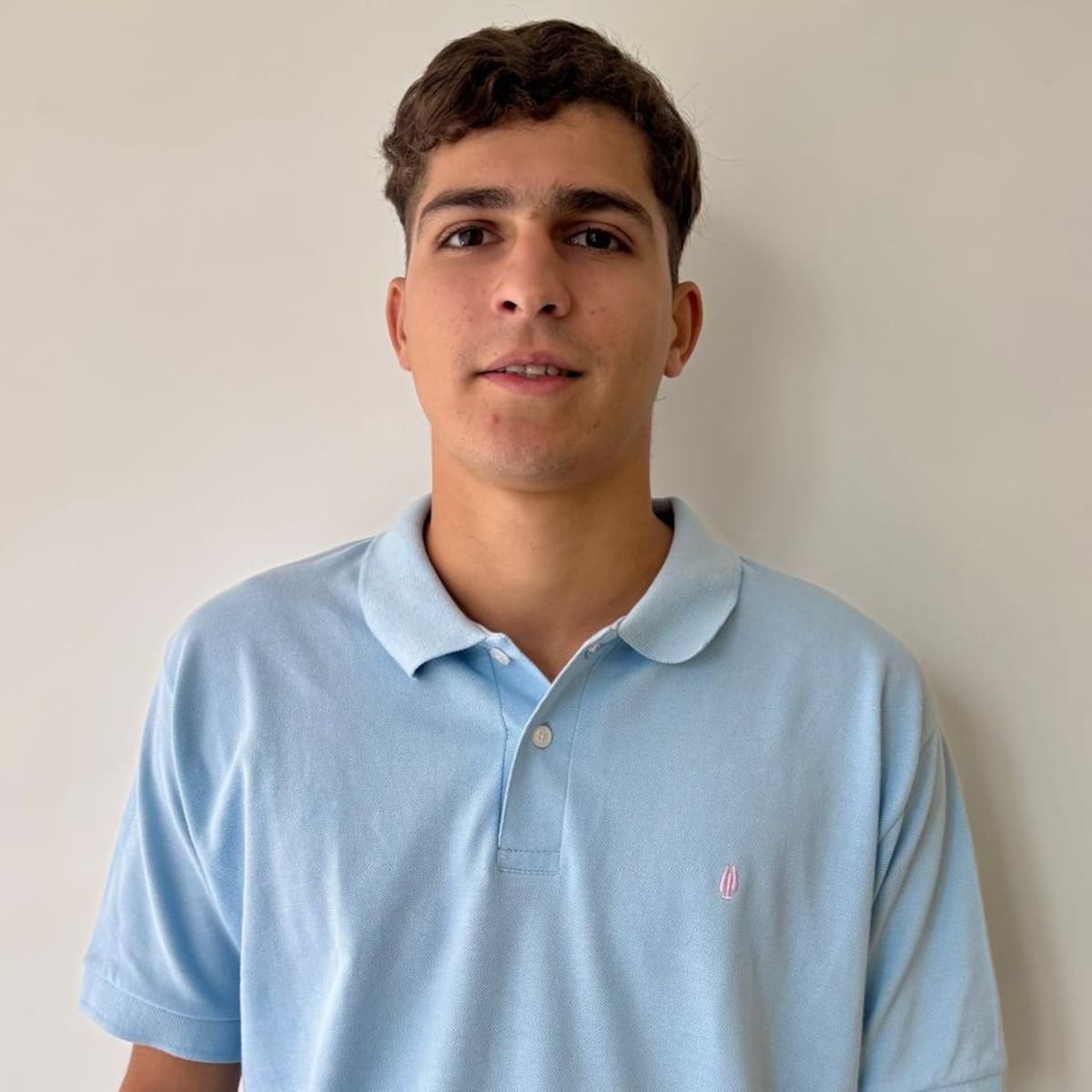
- Measure 2 x 2 inches (about 51 x 51 mm), in color.
- Be recent: taken within the last 6 months and reflect the person’s current appearance.
- Have a plain, white or off-white background, with no patterns, textures or shadows.
- Show the face straight on, centered, looking at the camera, with the head neither tilted nor turned, and with both eyes open.
- Have the head size, from the chin to the top of the head, measure between 1 and 1 3/8 inches (about 25 to 35 mm).
- Have even lighting, with no shadows on the face or background, and no glare or red-eye.
- Show the person in everyday clothing (uniforms are not allowed).
The issue of eyeglasses and head coverings
Since Nov. 1, 2016, eyeglasses are not allowed in the passport photo, except for medical reasons (and in that case, a doctor’s note is usually required). Hats or head coverings are also not allowed, except for those worn for religious reasons; in all cases, the face must be fully visible, from chin to forehead.
No selfies, filters or retouching
An increasingly important point in the cellphone era: the passport photo cannot be a selfie or digitally altered. Filters, retouching or any kind of alteration are not allowed because they distort facial features.
The recommendation is that someone else take it (or use a professional service), from an appropriate distance and in good light, to avoid shadows and distortion. A selfie, because of the closeness and possible filters, is one of the most common causes of rejection.
What happens if the photo does not comply
If the photo does not meet the requirements, the application is rejected or delayed, and it must be resubmitted with an image that does comply, with the resulting loss of time, especially if travel is coming up soon. That is why it is worth checking every point before submitting the application.