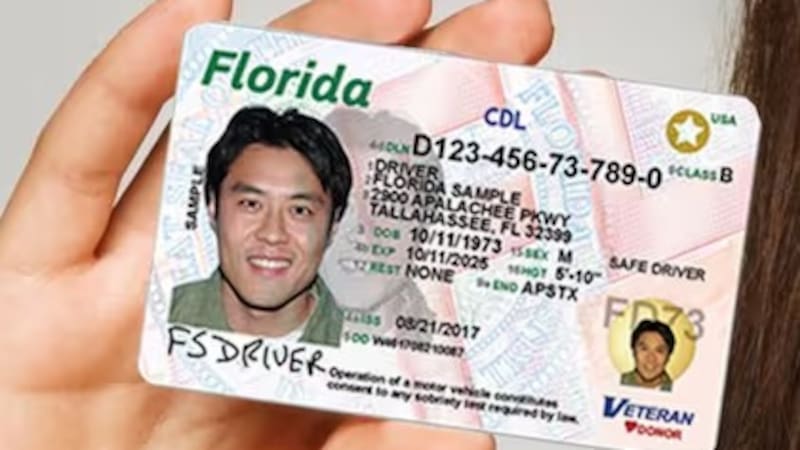

En esta noticia
Florida drivers could receive an important notice about the status of their driving privileges without getting a letter in the mail. A new state law allows the Department of Highway Safety and Motor Vehicles (FLHSMV) to send certain license-related notifications by email, provided the driver has authorized that method of communication.
The change covers orders involving the cancellation, suspension, revocation or disqualification of a driver’s license. It also establishes that failing to receive the email does not delay or prevent the measure from taking effect.
What notice can Florida drivers receive by email?
Under Florida Statutes Section 322.251, the FLHSMV can notify drivers of an order to cancel, suspend, revoke, or disqualify their driving privileges through email if they have authorized the department to use that communication method.
Before the change, the law provided for personal delivery or notification by first-class mail to the driver’s last known address. Email is now an additional legally recognized option.
The provision was included in Senate Bill 488, which became law as Chapter 2026-39 and took effect on October 1, 2026.
What happens if drivers do not see the email?
Florida law makes clear that not receiving the notification does not affect or delay the effective date or duration of a license cancellation, suspension, revocation, or disqualification.
In most cases, the notice is considered complete 20 days after the email is sent. For orders issued under Chapter 324 or Sections 627.732–627.734, the period is 15 days.
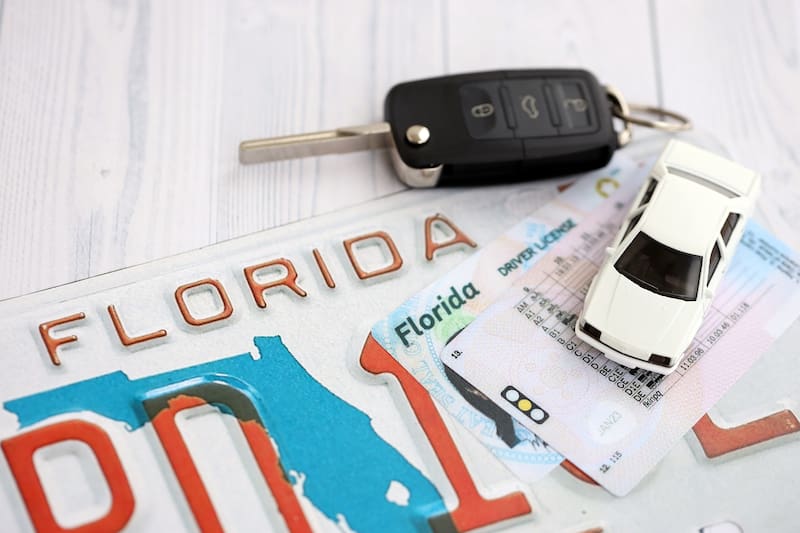
The department must record that the notice was sent. That entry can serve as sufficient proof that notification was given in court.