
En esta noticia
Mice in the home can become a difficult problem to solve, especially when the rodents hide behind furniture, appliances or in small hard-to-reach spaces.
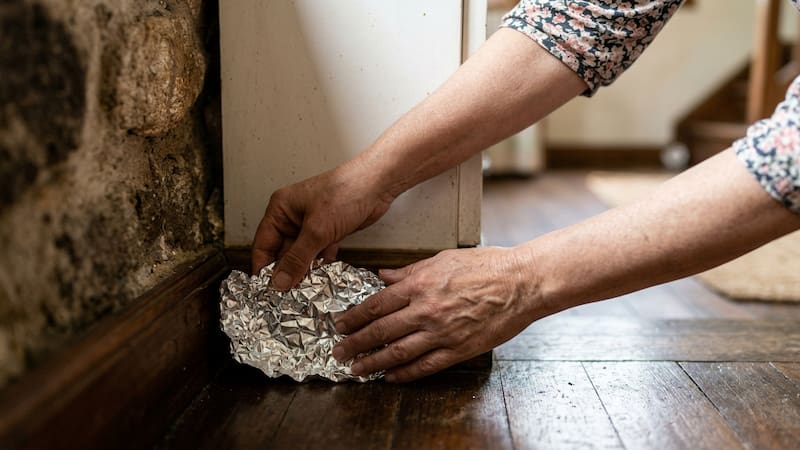
To detect their movements, there is a low-cost trick that uses a common kitchen item. It involves placing small pieces of aluminum foil in places where rodents are suspected to travel.
How does the aluminum foil trick work to detect mice at home?
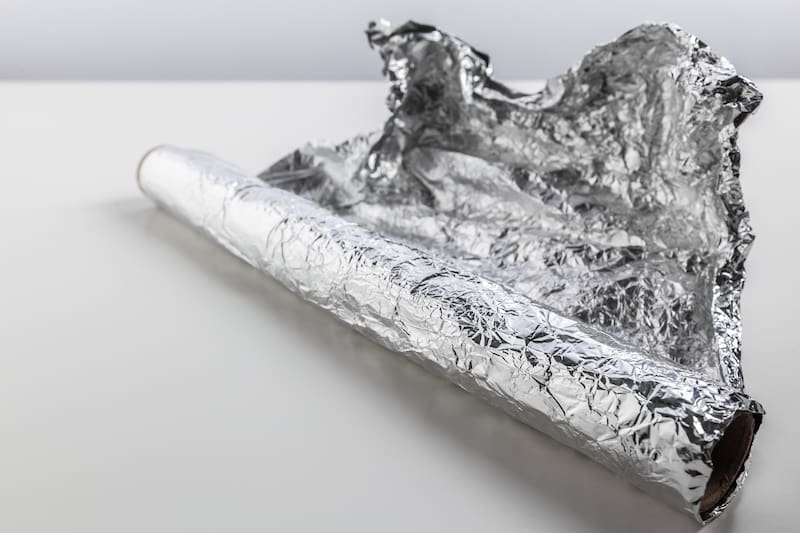
The method takes advantage of the fact that aluminum foil is light, easy to crumple and makes a distinct sound when stepped on or moved. For that reason, it can serve as a homemade indicator of rodent activity.
To try it, cut several pieces of aluminum foil and place them in areas where mice might hide or move around.
The recommended places are:
- Behind the refrigerator, stove and other appliances.
- Near baseboards and under furniture.
- Around pipes and wall openings.
- In pantry corners or near places where food is stored.
After leaving them overnight, check whether they have moved, show marks or are crumpled.
How effective is the aluminum foil trick for mice?
Aluminum foil is useful for detecting the presence of rodents, but it is not a removal method on its own.
Its main advantage is that it can help identify whether there is movement in certain areas of the home without spending money on special devices.

What other methods can be combined with it to get rid of mice?
Once possible routes have been identified, it is important to take steps to make the rodents leave the home or keep them from getting back in.
The prevention measures promoted by the Centers for Disease Control and Prevention (CDC) are:
- Seal entry points: check cracks and gaps around pipes, doors and windows. Mice can get in through openings as small as 6 millimeters. To close them, steel wool, sealant or other suitable metal materials can be used.
- Store food properly: use airtight glass, metal or heavy-duty plastic containers. It is also important to clean up crumbs and not leave pet food out overnight.
- Keep the home clean: remove trash, piled-up boxes and materials that could serve as shelter or help them build nests.
- Set traps: spring traps can help control mice. They should be placed near walls and in areas where signs of activity were found, always out of reach of children and pets.
- Consult a specialist: if rodent activity continues or signs appear in different rooms, it is best to turn to a professional pest control service.