
En esta noticia
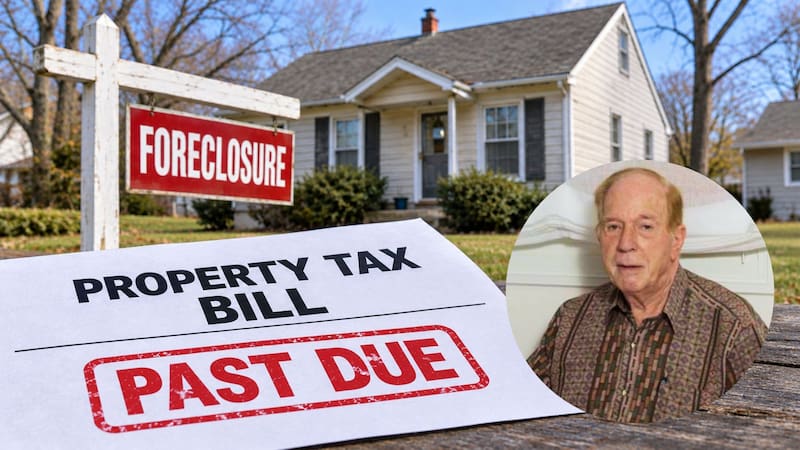
In 2011, Uri Rafaeli, a retired engineer in his 70s, bought a small three-bedroom house in Southfield, a suburb of Detroit, for 60,000. His plan was to rent it out and use the income to fund his retirement.

When the county told him he was behind on his property taxes, he paid the bill. But he made a tiny mistake by not accounting for the interest that kept growing while his check was in the mail.
In the end, he came up short by just $8.41. That was enough for Oakland County to take his house, starting a legal fight that reached Michigan’s highest court.
The few dollars short became a lost house
In 2012, Rafaeli learned he had underpaid his 2011 taxes by $496. He paid the debt the following year but miscalculated the interest. With penalties, interest, and fees, his $8.41 debt grew to about $285.
In 2014, the county foreclosed on the property and sold it for $24,500. After covering the debt, it kept more than $24,000 in profit. Rafaeli didn’t receive a penny.
Why was everything legal?
Under a 1999 Michigan law, counties could seize properties with unpaid taxes, sell them, and keep the surplus.
A federal court called Rafaeli’s case “a manifest injustice” but dismissed it on technical grounds. In court, a county attorney defended the practice by comparing it to telling his children: “If you don’t pick up your stuff, it’s mine.”

What the Supreme Court decided
In July 2020, the Michigan Supreme Court ruled against the county. Counties can seize a property to collect unpaid taxes, the justices said, but they cannot keep more than what is owed.
“Defendants were required to return the surplus proceeds to plaintiffs, and defendants’ failure to do so constituted a government taking under the Michigan Constitution,” wrote Justice Brian Zahra. The court also noted that the owners “simply failed to pay their property taxes, which is not a criminal offense.”
Rafaeli’s own case went back to a lower court to set his compensation, and there are no public reports on how much he finally received. But his fight changed the law. Months after the ruling, Michigan created a process for former owners to claim the extra money from tax sales.