
En esta noticia
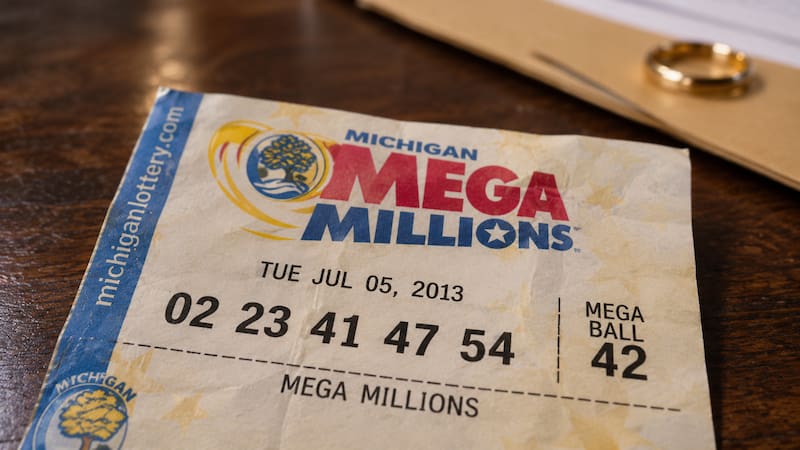
For years, Richard Zelasko had tried his luck with lottery tickets and casino roulette. In July 2013, it finally paid off when he won an $80 million Mega Millions jackpot, one of the biggest prizes ever claimed in Michigan.

But while he celebrated, a question was already hanging over the money. He and his wife, Mary, had filed for divorce two years earlier, and their split was still not final. What followed was a six-year legal fight over who owned what share of the money.
A win he almost lost
Zelasko, from suburban Detroit, didn’t even realize he had won right away. He left the ticket in his wallet for more than a month while he went on vacation and a few golf trips. “That would have been a terrible time to lose your wallet,” he later said, according to the Mega Millions website.
After taxes and deductions, the prize came to $38,873,628, according to court documents.
The divorce was not final at the moment of the jackpot
Zelasko and his wife, Mary, married in 2004 and have three children. In 2011, both filed for divorce, and they agreed to let an arbitrator, John Mills, decide all the issues of their split.
When Zelasko bought the winning ticket, the couple was already living apart. But the divorce was not final, and that detail changed everything.
The jackpot was part of a joint investment
Mills ruled that the jackpot was part of the couple’s marital property and awarded Mary $15 million. His reasoning was simple: “Defendant spent $1.00 to purchase the winning lottery ticket, however, the dollar spent was arguably marital money and, as such, a joint investment.”
He also noted that Zelasko had played the lottery for years while they were married. “As losses throughout the marriage were shared jointly,” he wrote, “so should winnings be shared jointly.”
According to the court, Mary had earned about three times more than her husband during their marriage, and months after the win, he still had not paid child support.
Zelasko fought the decision. “Rich was lucky, but it was his luck, not Mary’s, that produced the lottery proceeds,” his attorney, Scott Bassett, argued in a court filing. He also claimed the arbitrator, who died in 2014, had been biased against his client.
The final ruling over the $80 million jackpot
The divorce became final in 2018. A year later, on June 13, 2019, the Michigan Court of Appeals upheld the arbitrator’s decision, ruling that he had not made any legal error.
The case is a reminder that, until a divorce is final, money earned or won by either spouse can still be considered shared property.