
En esta noticia
The banana is one of the most popular fruits because of its nutrients and convenience, but its composition does not stay the same as it ripens. The change in color and texture also alters the balance of starch and sugar in the flesh.
Although many people believe one stage of ripeness is healthier than another, both offer different benefits. The choice depends on what characteristics are sought and each consumer’s preferences.

What nutritional differences are there between a green banana and a ripe one?
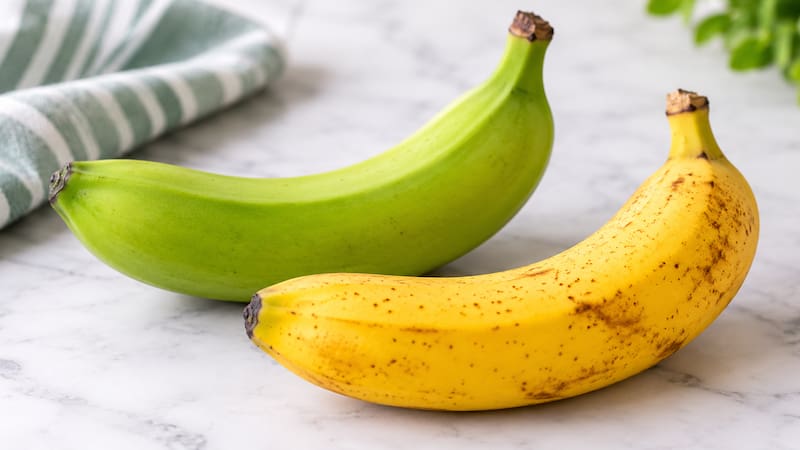
The main difference is in the makeup of the carbohydrates. When the banana is still green, it contains a higher proportion of starch, some of it resistant starch.
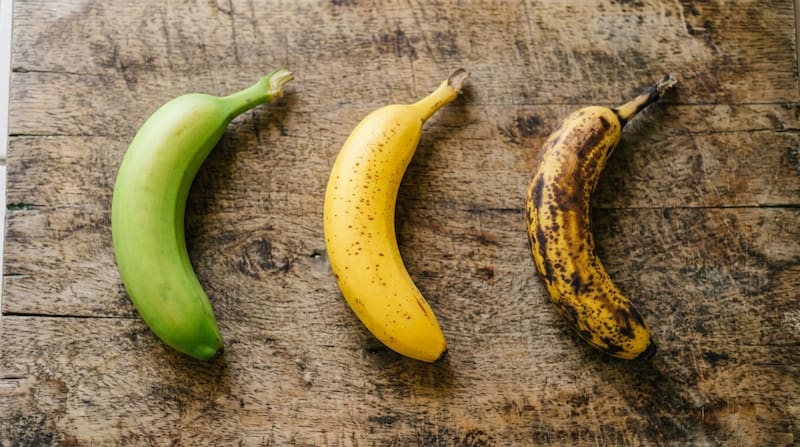
As ripening advances, that starch breaks down and turns into simple sugars such as glucose, fructose and sucrose.
A published study in the scientific journal PLOS ONE, which analyzed bananas at different stages of ripeness, found that green fruit had less sugar and more starch than ripe fruit.
In the samples analyzed, total sugar content rose from about 4.3 grams per 100 grams in green bananas to between 15 and 17 grams in the ripest stages.
This process also changes the flavor and texture: green bananas tend to be firmer and less sweet, while ripe ones become softer and sweeter.
Why green bananas contain more resistant starch
Resistant starch is a type of carbohydrate that is not fully digested in the small intestine. Instead, it reaches the colon, where it can be fermented by the bacteria in the gut microbiota.
Because of that, it is considered part of dietary fiber. Its presence is greater in green bananas and decreases as the fruit ripens, according to research on changes in its composition.
That is why eating a banana at an earlier stage of ripeness lets you get a greater amount of this type of starch.
What happens when a banana ripens and its sugar content increases
During ripening, the starch gradually turns into simple sugars. This change explains why a yellow banana tastes sweeter and has a softer texture than a green one.
The transformation can also affect blood sugar response. A published review in Frontiers in Nutrition notes that, in general, fruits at more advanced stages of ripeness have more available sugars and may produce a different glycemic response than less ripe ones.
Even so, the effect is not the same for everyone and depends on factors such as portion size, the rest of the meal and individual characteristics. For that reason, ripeness should not be treated as a one-size-fits-all rule for controlling blood sugar.

Is it better to eat a green or ripe banana?
There is no single option that is best for everyone. Green bananas provide more resistant starch and less simple sugar, while ripe bananas are sweeter, softer and have a higher proportion of available sugars.
The choice may depend on each person’s goals and tolerance:
- Green banana: may be an option for those looking to add more resistant starch through food. Its texture is firmer and its flavor is less sweet.
- Ripe banana: it is softer and sweeter, so it is often easier to eat and can be used to sweeten recipes without adding sugar.
In this way, the choice between a green or ripe banana will depend on each person’s needs and characteristics.
For example, those looking to cut back on simple sugars may opt for the green one, which contains more resistant starch, while athletes who need a quick source of energy may prefer the ripe one because of its higher sugar content.