

En esta noticia
Almost all wine bottles have an inward indentation in the bottom, a concave dip that many people look at curiously without knowing what it’s for.

The truth is there is no single answer: that detail combines historical, practical, and structural reasons, and around it there is also a widely spread myth.
What that dip is
The indentation at the bottom of the bottle has a name of its own: it is known as the “punt.” It is that dome-like curve inward formed by the glass at the base. It is present in most wine bottles, especially reds and sparkling wines, although its depth varies widely from one bottle to another.
A legacy of how bottles used to be made
When bottles were hand-blown, a rod called a pontil was used to handle them, and when it was removed, it left a rough, protruding mark on the base. Pushing the bottom inward solved the problem: the mark was hidden in the dip and the bottle could stand upright without wobbling or scratching the table. Over time, manufacturing changed, but the shape remained.
It gives the bottle more strength
There is a structural reason, and it is perhaps the most important one. The dome shape distributes stress better and helps the bottle withstand internal pressure and impacts.
This is key in sparkling wines, such as Champagne, where gas creates very high pressure inside: a flat bottom would be a weak point, while the indentation helps the bottle hold up without bursting. That is why sparkling wines generally have a more pronounced punt.
It helps with sediment
Another function is practical, especially in wines meant for aging. Over the years, some wines form sediment (small solid particles) that settle at the bottom. The dip creates a kind of channel or ring around the base where that sediment tends to gather, which helps keep it from being stirred up easily and ending up in the glass when poured.
It adds stability and helps when pouring
The indentation also helps in everyday use. It leaves a ring-shaped base that gives the bottle stability. And for those who pour with technique, it offers a grip point: many waiters and sommeliers place their thumbs in the punt and hold the bottle with their fingers behind it, allowing for a steadier, more elegant pour.
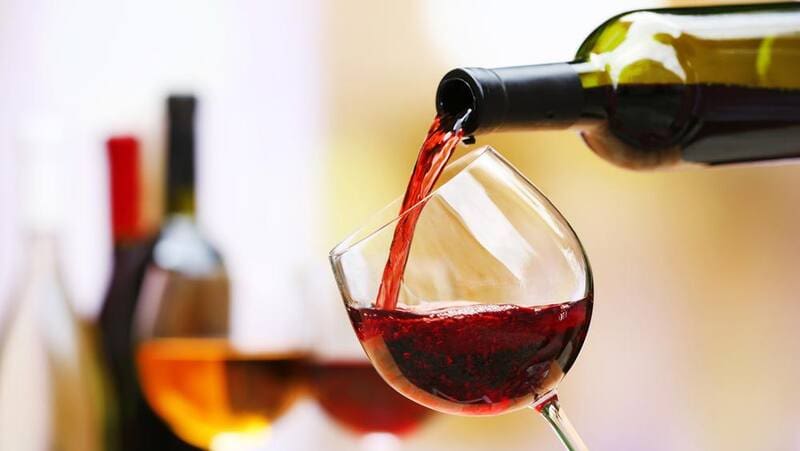
The myth: the deeper the dip, the better the wine?
There is a common belief that the deeper the punt, the better the wine. That is not true: the depth of the punt is not a reliable indicator of quality. It mostly reflects the type of bottle, the design, the winery’s tradition,and often a matter of imagee (a heavier, more pronounced base “gives the impression” of a premium product).
There are excellent wines in bottles with nearly flat bottoms and ordinary wines in bottles with a pronounced dip. In short, the dip serves real functions, but it is not a measure of what is inside.