
En esta noticia
- What does the snake plant mean according to Feng Shui?
- The 3 places in the house to put the snake plant to attract good luck
- The places where it is not advisable to place the snake plant
- Why they recommend avoiding the snake plant in the living room
- Can the snake plant be placed in the bathroom?
- Why don’t they recommend the snake plant in the workplace?
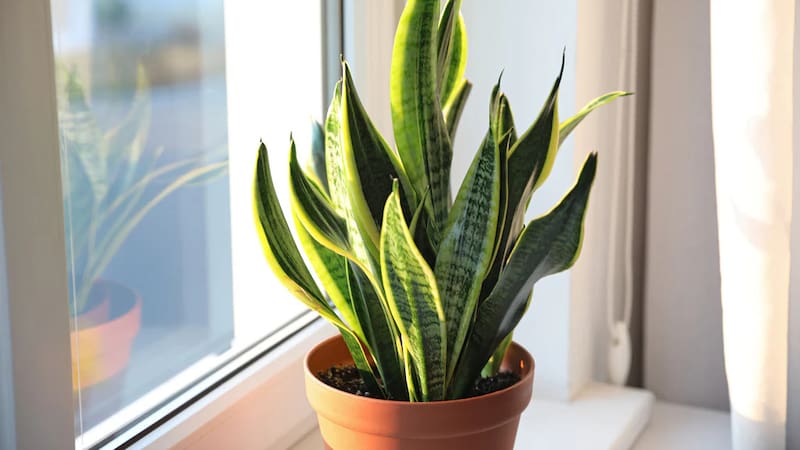
The snake plant is one of the most popular plants for decorating the home not only because of its visual appearance and easy maintenance, but also because of its energy benefits. According to Feng Shui, it is a perfect plant to attract money, prosperity, and good energy.
However, to make the most of its benefits, it is important to choose a suitable space so that it can grow and develop. In that sense, Architectural Digest explains which are the most recommended places to put it and which are those where, according to Feng Shui, it is advisable to avoid placing it.

What does the snake plant mean according to Feng Shui?
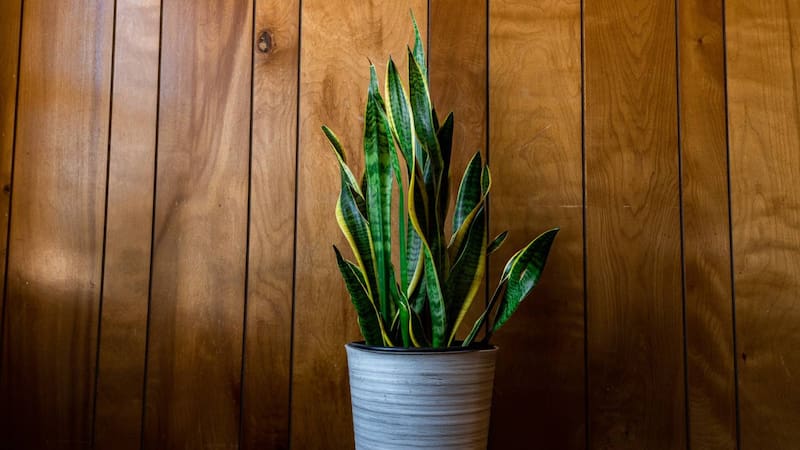
The snake plant, whose scientific name is Sansevieria, is one of the plants that Feng Shui associates with protection and energetic balance in the home. According to this tradition, the elongated and pointed shape of its leaves is linked to a protective energy, while the plant is also valued for its ability to purify the air.
The 3 places in the house to put the snake plant to attract good luck
According to Feng Shui, there are three locations that can be especially favorable for the snake plant. One of them is near the front door, although it is recommended to avoid placing it directly opposite the entrance.
It can also be placed in the southeast area of the home, associated in this tradition with abundance, prosperity, and money. On the other hand, those who want to prioritize well-being and health can place it in the east area of the home.
Beyond Feng Shui beliefs, to keep the plant healthy it is important to choose a place with good lighting, preferably indirect light, and avoid excess water.
However, not all spaces are considered suitable. Tradition recommends avoiding certain locations in order to maintain a balance between the different elements that make up the environment.
The places where it is not advisable to place the snake plant
One of the spaces that Feng Shui discourages for this plant is the kitchen. According to this tradition, the fire element predominates there and the presence of a plant with pointed leaves could create an energetic imbalance.
It is also recommended not to place the Sansevieria directly in front of the front door. The explanation within Feng Shui is that its placement could interfere with the flow of energy entering the home.

Why they recommend avoiding the snake plant in the living room
Although the living room is usually one of the spaces chosen for placing plants, Feng Shui raises certain reservations about the snake plant. The explanation is related to the presence of the wood element: plants represent this element and, by adding too much wood presence in the same environment, the balance between the different energies could be lost.
In addition, its rigid and pointed leaves are considered a characteristic that can generate a more intense energy. For this reason, some Feng Shui recommendations suggest choosing other rooms for this species.
From a practical perspective, however, Sansevieria can grow in different areas of the home as long as it has the necessary conditions to develop.
Can the snake plant be placed in the bathroom?
The bathroom also does not appear among the most recommended places for Sansevieria. Beyond Feng Shui beliefs, there are reasons related to plant care that may explain this recommendation.
The snake plant needs little water and tolerates dry periods better than excess moisture. For that reason, a bathroom with constant humidity and little ventilation can favor problems in its roots and leaves if the substrate remains too wet.
Lighting is also important. Although Sansevieria can survive with little light, to grow in better conditions it needs light, preferably indirect. A dark bathroom with poor ventilation, therefore, does not always offer the most favorable environment.
Why don’t they recommend the snake plant in the workplace?
According to Feng Shui, it would also not be convenient to place this plant on a desk or workspace. The reason is once again related to the shape of its leaves, which are rigid, vertical, and pointed and can be associated with an energy considered too intense.
Within this tradition, that characteristic could generate tension, doubts, or a feeling of stagnation in an environment intended for working and developing creativity. Some interpretations even relate pointed leaves to conflicts or arguments.
These are interpretations specific to Feng Shui and not scientifically proven effects. From the point of view of plant care, the essential thing is that it receives adequate lighting, has good drainage, and is not overwatered.