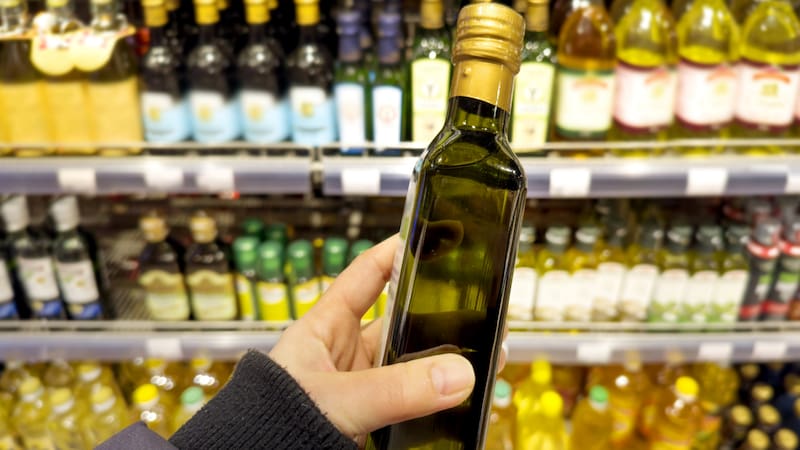

Virgin and extra-virgin olive oil belong to the same family: they are made directly from olives through mechanical or physical processes, without refining. The difference lies in the chemical and sensory standards each category must meet.

According to the trade standard of the International Olive Council, extra-virgin allows a maximum free acidity of 0.8 grams per 100 grams, while virgin allows 2 grams. Extra-virgin is the highest-quality category and must pass stricter tests.
What olive oil acidity means
Free acidity is a chemical measure used to classify the oil, not a measure of flavor: An extra-virgin oil does not necessarily taste less acidic or milder. The category is also not defined by acidity alone, since the oil must meet sensory standards as well. Virgin oil can have characteristics that keep it from qualifying as extra-virgin.
Can extra-virgin olive oil be used for cooking?
The answer is yes. The International Olive Council says olive oil is suitable for cooking and that virgin olive oil is fit for all culinary uses. Its high oleic acid content and natural antioxidants make it stable under heat: Its smoke point is about 410 °F (210 °C), above the 356 °F (180 °C) recommended for frying.
For frying, the organization advises not mixing it with other fats or vegetable oils and not reusing it more than four or five times.
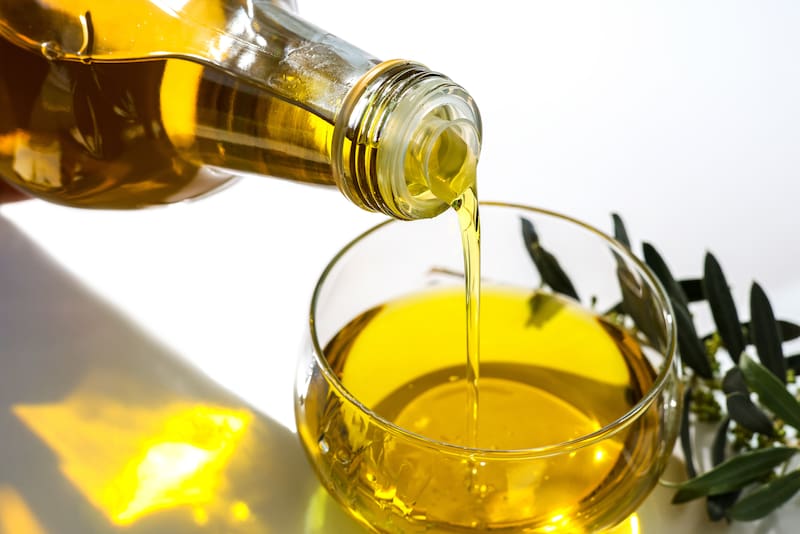
Which one to buy and how to store it
If price is not an issue, extra-virgin is the higher-quality choice, especially raw, when its fruity, bitter or peppery notes are more noticeable. Virgin oil also works for cooking, so the choice depends on budget and use.
It is worth checking the label: A product labeled only “olive oil” is a blend of refined and virgin oil, with a maximum acidity of 1 gram per 100 grams, and is not extra-virgin.
To store it, protect it from heat, air, moisture and, above all, light: keep the bottle tightly sealed, in a cool place and do not buy more than you need.