
En esta noticia
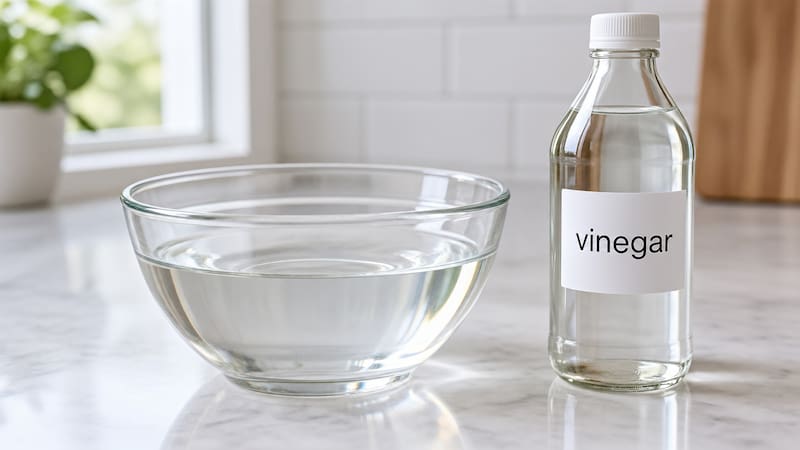
White vinegar is a common product in the kitchen, but its properties also make it possible to use it to solve some frequent problems when washing clothes. A simple combination with water can help treat certain stains and residues without resorting directly to other products.
Cleaning specialists consulted by The Spruce explained that the acidity of distilled white vinegar allows it to act on certain types of dirt stuck to garments. However, its effectiveness depends on the origin of the stain, and it is important to use it correctly to avoid damaging fabrics.

What is mixing white vinegar with water on clothes for?
According to Scott Schrader, cleaning expert at CottageCare, a solution of equal parts white vinegar and warm water can be used to treat deodorant residue and the stains that appear in the underarm area of garments.
The procedure consists of soaking the garment in this mixture for 30 minutes or 1 hour. Once that time has passed, it can be washed normally.
In addition to this use, the specialists consulted by The Spruce pointed out that white vinegar can be useful against other common laundry problems, such as greasy or oily food stains, detergent residue, mineral buildup, and mold.
Tom Ceconi, president of Heritage Park Laundry Essentials, explained that distilled white vinegar should be used specifically, since its acidic properties help break down certain stains, particularly those related to fats and oils.
How to use white vinegar to treat tough stains
For stains other than deodorant, Ceconi recommends a more complete procedure. The first step is to pre-treat the affected area with an enzymatic stain remover or with a concentrated mixture of enzymatic detergent and water.
Then, fill the sink, a bathtub, or a container with warm water, place the garment there, and add a cup of white vinegar to let it soak.
The next step is to take the garment to the washing machine and wash it using a cup of white vinegar, without adding detergent at that stage. Then check whether the stain is gone and, if so, wash it again with detergent.
The specialists highlight other possible uses of vinegar during washing; Schrader explained that it can help neutralize odors and soften fabrics, as well as help with certain residues.

White vinegar on clothes: precautions to keep in mind
Although it can be used as an ally for certain laundry tasks, experts warn that vinegar should not be mixed with bleach or chlorine bleach, since that combination can produce toxic fumes.
They also recommend being especially careful with delicate garments. Ceconi advises avoiding the use of vinegar on fabrics with very saturated colors, due to the risk of affecting the garment.
For this reason, white vinegar should not be considered a universal solution for any stain or type of clothing. The result will depend both on the fabric and on the origin of the dirt and the way it is applied.