
En esta noticia
Carpets are a soft accessory that can add warmth to a home; however, they tend to accumulate a lot of dust that can be difficult to remove. This situation can have a negative impact on people’s health, mostly for people with frequent allergies.
There are a lot of ways to clean a house correctly, but the National Institutes of Health (NIH) shared a list of steps you can adopt in your routine to prevent getting allergies from your carpets.
These techniques can also be applied in your office and other places whose floors are covered by carpets.

According to NIH, this is why you must remove dust from carpets to prevent allergies
Allergic rhinitis is more common than we like to think, and sometimes it comes from indoor exposure. But you do not have to worry if you have applied the perfect cleaning routine in your house. Carpets are one of the main causes of indoor rhinitis; therefore, it is really important to learn how to clean this accessory.
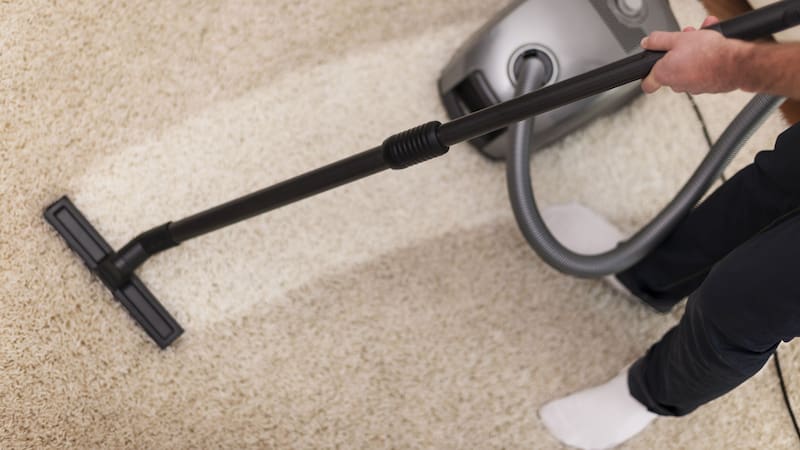
According to the NIH, vacuuming carpets and other home furnishings daily can reduce levels of dust and allergens. Similarly, a clinical trial in South Korea found that daily vacuuming reduced dust levels and eased allergic rhinitis symptoms in 40 children ages 6 to 12 with mild persistent allergies specifically linked to house dust mites.
How to reduce dust mite allergens at home, according to medical experts
- Vacuum carpets, mattresses, and furniture regularly: Frequent vacuuming can help reduce house dust mite allergen levels over time.
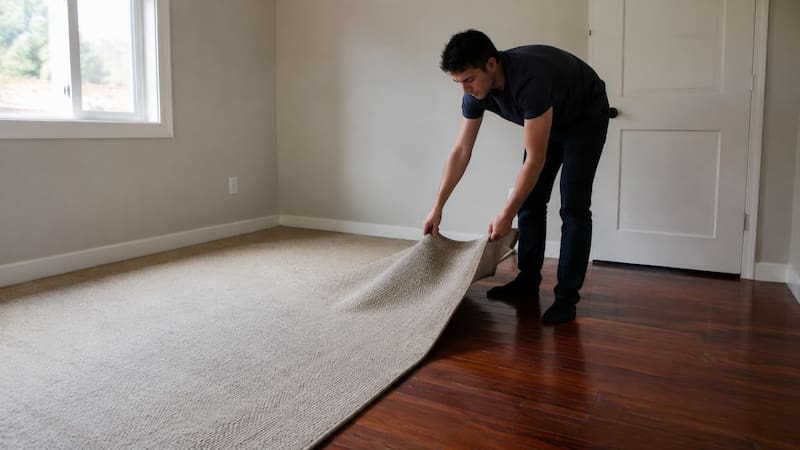
- Consider removing carpets or upholstered furniture coverings: These materials can act as reservoirs for dust mite allergens, although the review does not recommend removal as a primary strategy because the evidence of clinical benefit is limited.
- Keep indoor humidity under control: Reducing humidity can help limit the conditions that allow dust mites to thrive.
- Use protective covers for mattresses and pillows: These covers can help reduce exposure to dust mite allergens.
Other ways to reduce dust and allergens at home
The NIH review also highlights several measures that can help limit exposure to dust mite allergens beyond regular carpet cleaning. Keeping indoor humidity under control, using protective covers on mattresses and pillows, and regularly cleaning other surfaces such as furniture can help reduce allergen levels.
Removing carpets or upholstered furniture coverings may also reduce exposure in some cases. However, the review notes that the evidence for clinical benefits is limited, so these measures are not generally recommended as the primary approach to controlling dust mite allergens.