
En esta noticia
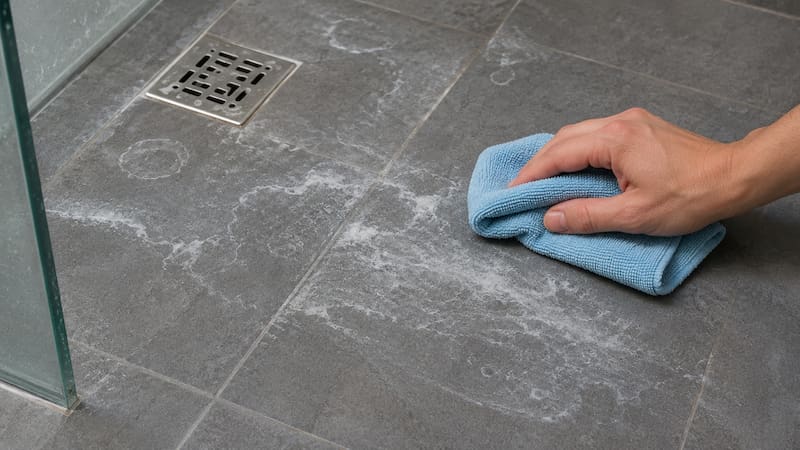
Soap scum in the shower can make tile, floors and glass doors look dull, even after rinsing with water.
To remove it, white vinegar can be a cleaning ally, since its acidity helps break down some of the mineral residue that builds up with daily use.

Why does vinegar help remove soap scum in the shower?
The residue known in English as soap scum forms when the fatty components of soap react with minerals in hard water, such as calcium and magnesium. Over time, that combination leaves a film that clings to shower walls, glass and floors.
As Kärcher explains in its bathroom cleaning guide, this residue forms through the reaction between the fatty acids in conventional soap and the minerals in hard water.
Vinegar contains acetic acid, which can help dissolve some of the mineral deposits. That is why using it can make it easier to clean surfaces covered by this film.
How do you use vinegar to clean soap scum in the shower?
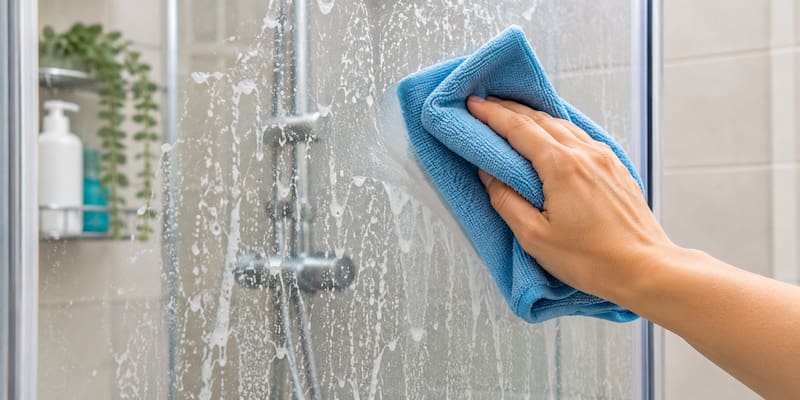
A mix of white vinegar, water and dish soap can help loosen built-up grime. To try this method at home, you only need a few ingredients:
- 1 cup white vinegar.
- 1 cup water.
- 1 tablespoon liquid dish soap.
- A spray bottle.
- A soft sponge or microfiber cloth.
The process is simple:
- Mix the white vinegar with the water and dish soap in a container or spray bottle.
- Apply the mixture to the areas of the shower with soap scum.
- Let it sit for 10 to 15 minutes, without letting it dry.
- Gently scrub with a sponge or cloth to remove the residue.
- Rinse thoroughly with plenty of water to remove the mixture and the dirt.
This Old House’s cleaning guide also recommends a mixture of vinegar, water and dish soap, left to sit before scrubbing and rinsing.
A home maintenance manual from Cooperative Community Housing, meanwhile, recommends cleaning shower walls with a “mild vinegar and water solution” to treat soap residue.

Which surfaces can vinegar be used on, and which should you avoid?
Vinegar can be used on certain tile, glass and acid-resistant surfaces, but it is not recommended for natural stone, such as marble, limestone and travertine. Some metal finishes and sealants can also be affected.