
En esta noticia
- How should burned ceramic pots or pans be cleaned?
- What do they recommend doing with burned Teflon pots or pans?
- How are enameled cast-iron pots or pans supposed to be cleaned?
- Cleaning stainless steel pans or pots
- Tips for caring for these kitchen utensils
- When should they be replaced because of contamination risk?
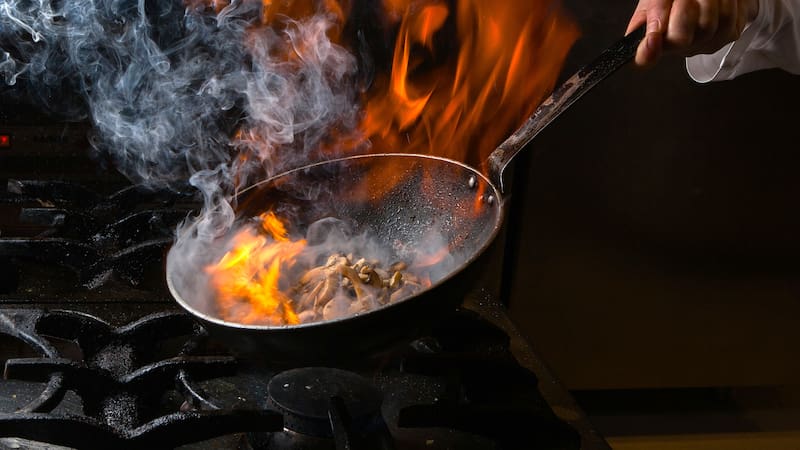
Burned pots and pans can be restored with cleaning methods, but not all materials can handle the same products, and a technique that works for cast iron can damage a nonstick pan.
According to manufacturers such as Tefal, Lodge and Le Creuset, the key is identifying the material before trying to remove burned-on food. In some cases, the cookware will need to be replaced to avoid contamination risks when preparing food.
How should burned ceramic pots or pans be cleaned?
According to Tefal’s recommendations, ceramic-coated pans or pots should preferably be cleaned by hand with water and mild detergent. If food burns and sticks, the recommendation is:
- Let it cool completely.
- Add warm water with detergent and let it soak to soften the residue.
- Add a small amount of white vinegar to the water if the stains persist.
- Carefully clean the surface and rinse thoroughly with plenty of water.
- Dry the cookware before putting it away.
Tefal says permanent stains on the ceramic coating do not necessarily mean the utensil is dangerous.
What do they recommend doing with burned Teflon pots or pans?
Teflon is the trade name associated with polytetrafluoroethylene (PTFE), a material used in nonstick coatings.
It is recommended to avoid abrasive products and metal scrubbers, since they can damage the surface of the pans. If food burns, the advice is:
- Wait until it reaches room temperature.
- Wash with warm water and dish detergent.
- Use a soft or nylon sponge to remove the residue.
- Repeat cleaning if grease remains stuck.
- Rinse and dry thoroughly.
The manufacturer warns that cleaning only with paper towels or rinsing with water is not enough.

How are enameled cast-iron pots or pans supposed to be cleaned?
Unlike nonstick cookware, uncoated cast-iron pans need to maintain a protective layer of oil, known as seasoning, which helps prevent rust.
The U.S. company Lodge Cast Iron recommends following three steps:
- Wash with warm water, a little detergent and a stiff-bristled brush.
- Dry with paper towels or a clean cloth.
- Apply a thin layer of cooking oil.
They warn that these utensils should not be left to soak because of the risk of rust.
Cleaning stainless steel pans or pots
According to Le Creuset, stainless steel pots and pans can be cleaned with hot water, mild detergent and baking soda to remove burned-on food without damaging the surface.
The manufacturer recommends following these steps:
- Wait until the utensil reaches room temperature before washing it.
- Use a soft sponge or nylon brush to remove surface residue.
- If burned residue remains, fill the pot with warm water and baking soda.
- Place the utensil on the stovetop and boil the water for 10 to 15 minutes to soften the stuck-on residue.
- Repeat cleaning with a soft sponge and dry immediately to avoid water spots.
Tips for caring for these kitchen utensils
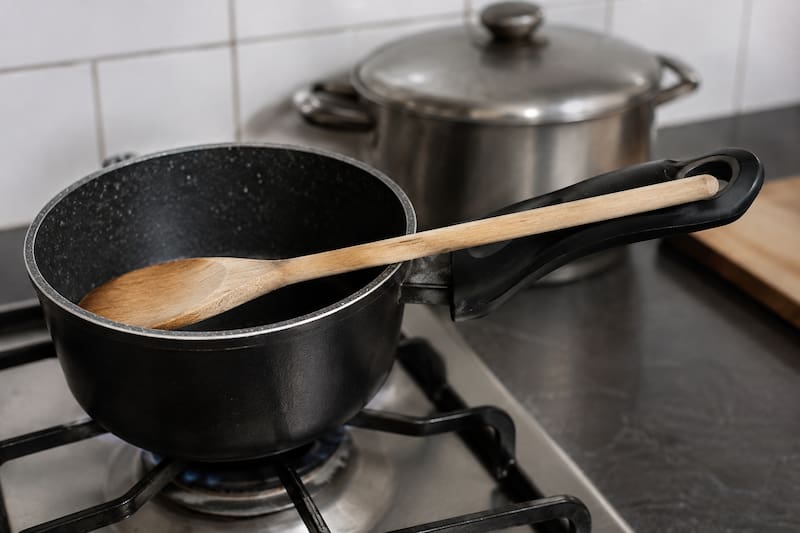
Manufacturers agree that proper maintenance helps preserve the properties of the cookware and prevent premature damage.
- Avoid sudden temperature changes.
- Use appropriate utensils.
- Do not heat empty nonstick pans.
- Follow the manufacturer’s instructions.
The official website of the Canadian government, Health Canada, recommends not using nonstick cookware at temperatures above 260° and keeping the kitchen ventilated while cooking.
When should they be replaced because of contamination risk?
Not all stains or marks mean a pot should be thrown out. However, damage to the coating, cracks and certain structural damage may justify replacing it.
- Ceramic or enameled cast iron: cracks, chips or pieces missing from the interior enamel.
- Teflon: coating that is flaking, peeling or visibly damaged.
- uncoated cast iron: structural cracks.
- Stainless steel: major warping or damage that compromises safe use.