

En esta noticia
Lining kitchen drawers with aluminum foil is a simple trick that can help protect cabinets from grease stains, food scraps, and dirt that build up with daily use. The foil acts as a barrier between the drawer surface and debris that could dirty it.
In addition to helping keep the inside of cabinets in better condition, aluminum can make cleaning easier, since you can remove the foil when it gets dirty and replace it with a new piece. However, for it to be useful, it is important to place it on a clean, dry surface and make sure it covers the bottom of the drawer properly.
What is lining kitchen drawers with aluminum foil for
Lining kitchen drawers with aluminum foil helps protect the surface from food scraps, small grease stains, and accidental spills. The foil acts as a barrier between debris and the cabinet material, which can reduce the dirt that builds up directly on the wood or lining.
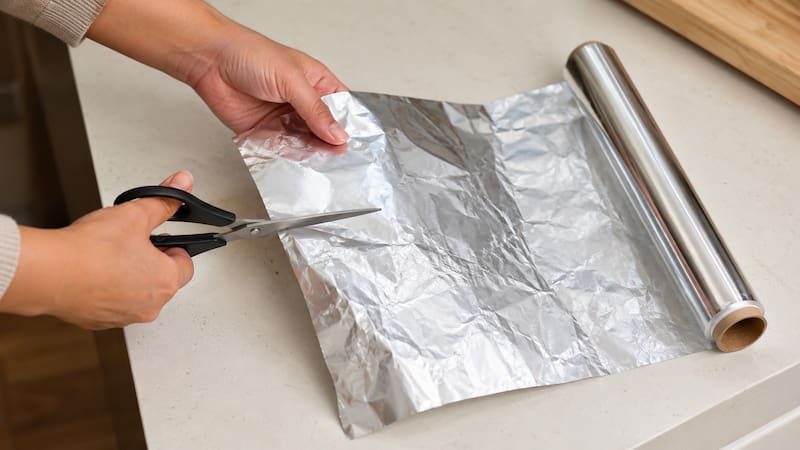
According to Tom’s Guide, this trick can make cleaning easier because when the foil gets dirty, you can remove and replace it instead of having to scrub the entire bottom of the drawer.
How to line kitchen drawers with aluminum foil
Before lining the drawer with aluminum foil, you should empty it, remove crumbs, and clean away any grease or dirt. Then, it is necessary to let the surface dry completely, since covering a damp cabinet can lead to moisture-related problems.
The next step is to measure the bottom of the drawer and cut a sheet that covers as much of the surface as possible. It can be carefully fitted into the corners, and the edges can be lifted slightly to help contain small bits of debris, as long as the drawer design allows it.
When to replace the foil in kitchen drawers
The foil should be replaced when it has food residue, grease stains, built-up moisture, tears, or wrinkled areas that keep it from properly covering the surface.
How often depends on how much the drawer is used, since one that is opened constantly or stores utensils that can leave residue will probably need to be changed more often than one that is used less.