
En esta noticia
The appearance of mold on walls, ceilings, and other surfaces in the home is usually linked to moisture problems and poor ventilation. White vinegar is an effective ingredient for eliminating certain fungi.
Its effectiveness is explained by the presence of acetic acid, a compound with antifungal properties that can inhibit the growth of certain microorganisms.

How does white vinegar work against mold in the home?
White vinegar contains acetic acid, a compound with antifungal and antibacterial properties that can help eliminate certain types of mold found in the home. Its action comes from its acidic nature, which makes it harder for certain fungi and microorganisms to grow.
Household white vinegar usually contains between 5% and 8% acetic acid, a moderately strong compound with a pH of around 2.5 that can disrupt the growth of many fungi and microorganisms, including Penicillium chrysogenum.
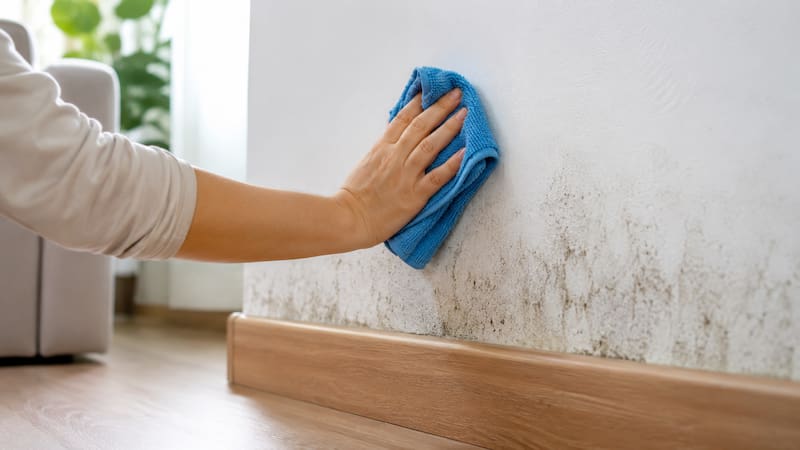
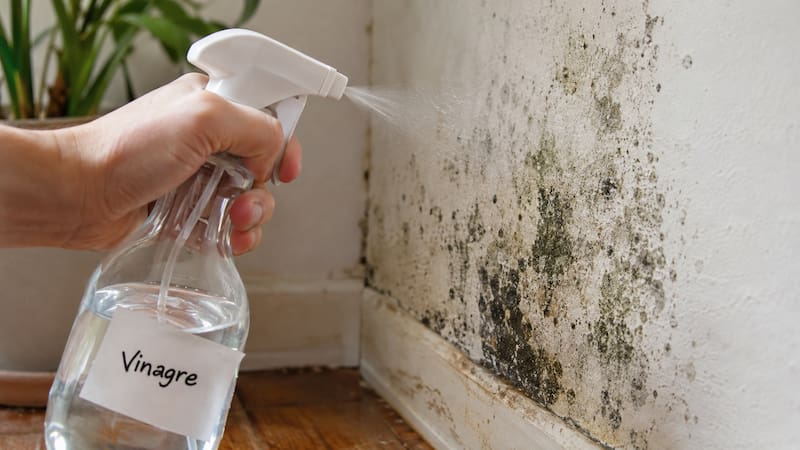
To use it, it is recommended to pour undiluted white vinegar into a spray bottle and apply it directly to the affected surface. Let it sit for at least an hour, then scrub gently with a brush.
What precautions should be taken when using white vinegar to clean moldy surfaces?
Although it is a household product, using it requires some precautions to avoid damaging materials and reduce exposure to mold spores.
Before starting, it is a good idea to ventilate the area and wear gloves, eye protection, and a mask. One of the most important warnings is that vinegar should never be mixed with bleach, as it can release toxic gases.
On the other hand, the U.S. Environmental Protection Agency (EPA) recommends repairing leaks, drying materials completely, and preventing moisture from building up
What surfaces can white vinegar be used on?
White vinegar can be used on different household surfaces, although its effectiveness depends on the material and how deeply the mold has penetrated.
However, it should not be used on the following surfaces:
- Marble and natural stone: their acidity can damage the finish and leave marks on materials such as marble and limestone.
- Wood floors: they can damage the protective coating and affect the finish.
- Electronic screens: they can damage anti-glare treatments and some touch coatings.
- Metals: they can promote corrosion in materials such as aluminum and copper.
- Porous materials: it is usually not effective at removing mold that has penetrated deeply, as can happen in carpets and ceiling tiles.
What other ingredients can help fight mold?
In addition to white vinegar, there are other household products that can help control certain types of fungi. Among the alternatives are:
- Baking soda: it has antimicrobial properties and can help control the growth of some fungi. You can make a paste by mixing it with water, apply it to the affected area, let it sit for at least 10 minutes, and then scrub to remove the residue.
- Hydrogen peroxide: A 3% hydrogen peroxide solution can be used on hard surfaces. It is recommended to let it sit for at least 10 minutes before scrubbing and cleaning.
- Tea tree oil: it contains terpinen-4-ol, a compound with antimicrobial properties. Healthline cites a 2015 study that found it was more effective at inhibiting mold growth than vinegar and some commercial cleaners. A solution can be made with one teaspoon of oil per cup of water.