

En esta noticia
The acetic acid in vinegar can help remove limescale buildup, reduce mineral deposits, and make bathroom cleaning easier. Research has explained what its properties are and what precautions should be taken.
Pouring vinegar into the toilet once a week is a household practice that can help keep the bathroom clean, especially in homes where the water has a high mineral content. Its usefulness is tied to acetic acid, a compound that reacts with certain deposits and helps remove them.
It is often used as a low-cost alternative to some cleaning products. Several scientific studies have examined both its ability to dissolve mineral residue and its effects on certain microorganisms, although the results depend on the concentration used and the conditions of application.
What is pouring vinegar into the toilet for, and what are its benefits?
One of vinegar’s main benefits is its ability to act on limescale buildup on bathroom surfaces. This buildup forms mainly because of minerals in the water, especially calcium carbonate, and can leave whitish stains or stubborn deposits in the toilet bowl.
A doctoral study from Virginia Tech University looked at different technologies and substances to reduce mineral buildup.

In one experiment, cleaning vinegar with 6% acetic acid was able to dissolve virtually all the calcium carbonate in a sample after two hours of exposure. However, this was a laboratory test and not a specific trial on home toilets.
These properties make it possible to identify three benefits of periodic use:
- Reduce limescale buildup: acetic acid helps dissolve certain mineral deposits.
- Make stains easier to remove: it can help loosen deposits associated with hard water and make scrubbing easier.
- Supplement routine cleaning: using it can help maintain the ceramic surface, although it does not replace products made for disinfecting.
In addition, a study published in 2020 in BMC Microbiology found that acetic acid has activity against certain microorganisms under experimental conditions.
How should vinegar be used in the toilet to take advantage of its properties?
To add this product to your weekly bathroom cleaning, white vinegar with an acetic acid concentration of around 5% can be used. It is especially useful on areas where limescale stains and mineral deposits appear, as long as the surface and the manufacturer’s instructions allow the use of acidic products.
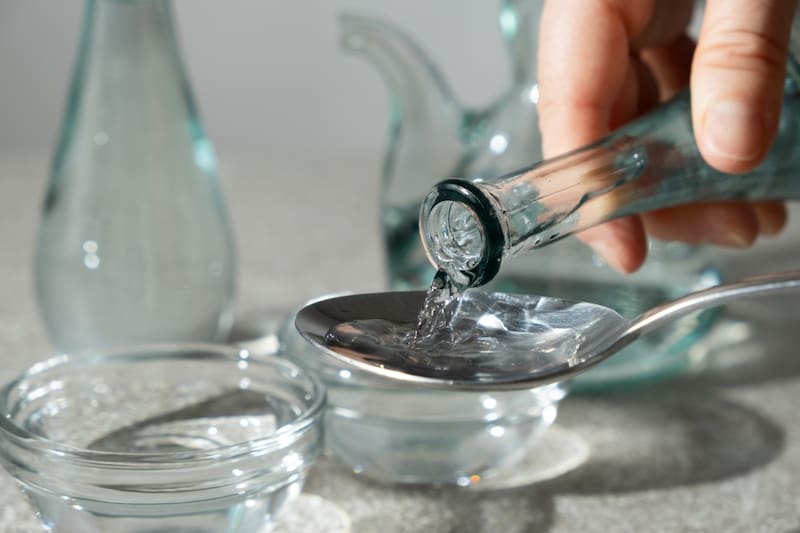
The process is simple and does not require special tools:
- Make sure there are no traces of other cleaners left, especially bleach or disinfectant products.
- Pour a moderate amount of white vinegar onto the inside walls of the bowl and the areas where limescale builds up.
- Let it sit for about 30 minutes.
- Scrub with a toilet brush to loosen the mineral deposits.
- Flush to remove the residue and the product.
Doing this once a week can be part of a preventive routine. The need for cleaning depends on water hardness, how often the toilet is used, and how much buildup is present.
On the other hand, vinegar should never be mixed with bleach (a substance that contains chlorine and is used as a disinfectant, bleaching agent, and solvent), since this combination can release chlorine gas, a toxic substance that can cause respiratory irritation and serious injuries.
The U.S. Centers for Disease Control and Prevention (CDC) warn about the risks of mixing cleaning products and recommend using each substance according to the manufacturer’s instructions