
En esta noticia
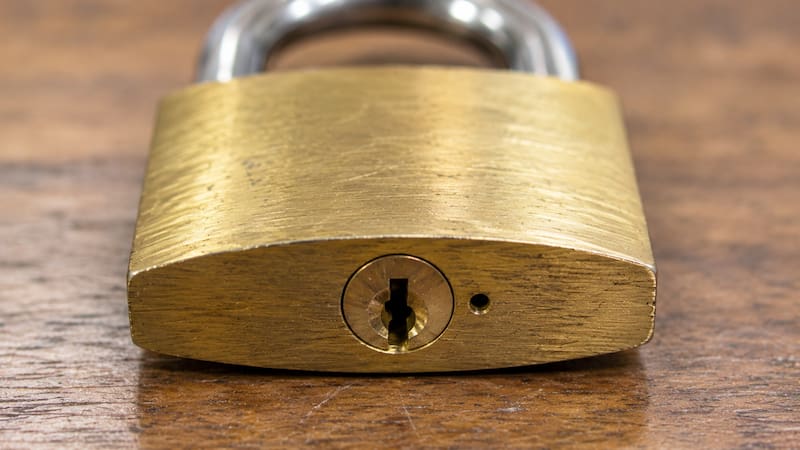
The small hole found in some padlocks at the bottom is not just a manufacturing detail. It serves a twofold purpose that few people know about: it lets trapped water drain out from the inside and makes it easier to lubricate the mechanism, both of which help extend the padlock’s useful life.

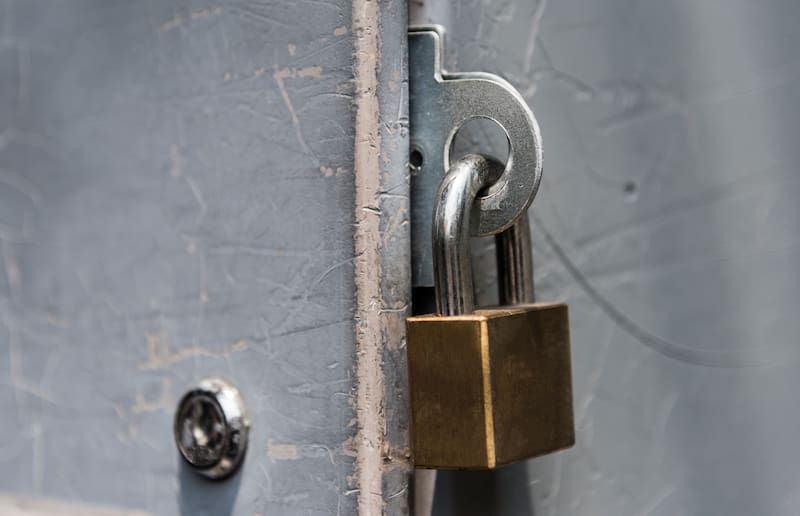
It is a feature found mainly on padlocks used outdoors, although many users do not know what it is for. Here is what that hole actually does and how to use it to maintain this everyday item.
A drain that protects the mechanism from water
According to Australian security systems supplier Twenty First Security, the hole acts as a drain in padlocks exposed to the elements and to rain and moisture. Water that gets inside drains out through it, which helps keep the metal parts from rusting.
In very cold climates, the design also prevents water trapped inside from freezing in the mechanism. As ice expands, it can cause jams or damage the parts.
How to use it to maintain the padlock
The YouTube channel Oscar Hernandez: Ideas y Trucos para el Exito explains that the hole is not for opening the padlock with a wire, as some people believe. Its purpose is tied to durability and proper function.
It also allows lubricant to be applied inside. With the right product and, preferably, a thin nozzle, it is possible to clean and keep the internal parts in good condition.
Two types of locking mechanism
Padlocks have two main types of mechanism, each with its own way of working:
- The modular one, in which the key inserts locking pins, usually metal balls, that slide into the holes in the lock. It allows the lock to be taken apart and for the padlock to lock on its own, without using the key again.
- The integrated one, which is operated directly with the key and cannot be taken apart. If it does come apart, that means it is broken, and it usually requires the key to close it again after opening.