
En esta noticia
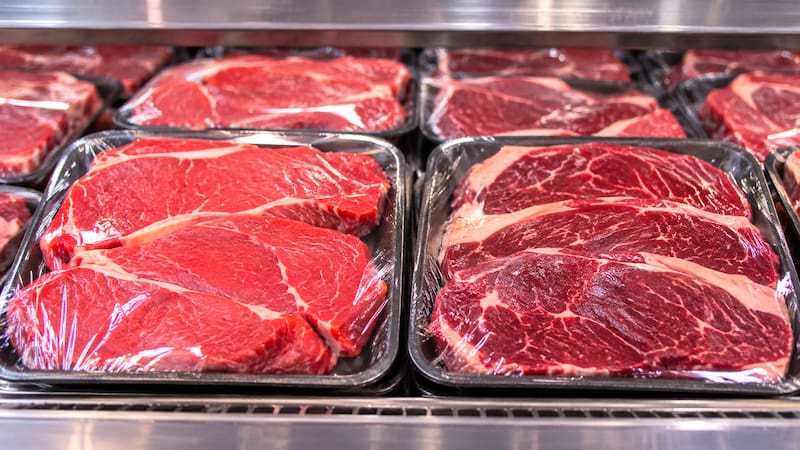
The color of meat in supermarket trays can raise questions when shopping and doubts about the quality of the product: some are displayed in a deeper, darker red, while others look more pink or bright.

According to the U.S. Food Safety and Inspection Service (FSIS), this can be due to several factors, such as proteins, the animal’s age, the exercise it got and how the meat is stored.
Light red meat or dark red meat: what’s the difference?
Myoglobin is the protein responsible for meat’s red color. Experts explain that when it mixes with oxygen, it becomes oxymyoglobin, producing the typical bright color, which can vary depending on its concentration.
“Meat from older animals will be darker because myoglobin levels increase with age,” the explanation says.
Exercise is also a factor in the color of meat, since well-worked muscles are always darker, so the same animal can show different shades of red.
The exposure of trays to supermarket lighting and the meat’s contact with oxygen can, in turn, cause the meat to change color, so the difference between a lighter cut and a darker one depends on all of these factors combined.

What’s recommended to buy? Bright red meat or dark red meat?
When shopping, the color of the meat alone is not, according to FSIS, enough to determine that one cut is better than another.
Color changes are common in fresh products, but from a health standpoint, they are only considered a reason not to eat them when the color change is accompanied by an unusual odor or a sticky texture to the touch. “If the meat has developed these characteristics, it should not be used,” it says.
For this reason, the recommendation is always to buy cuts that, regardless of color, do not show any other warning signs that could indicate spoilage.