
En esta noticia
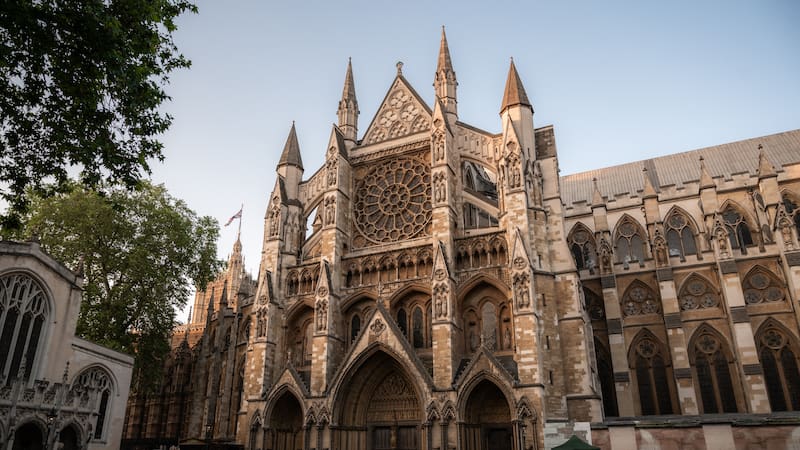
In 1869, archaeologists found a Roman sarcophagus with an ancient inscription and a medieval cross in Westminster Abbey in London. The combination of elements from different eras raised questions about the identity of the person buried there and the use the tomb had had over the centuries.
More than 150 years later, an archaeological investigation brought new clues to the mystery. Radiocarbon dating determined that the skeleton found inside the sarcophagus belonged to a man who lived between the years 987 and 1052, several centuries after the stone coffin was made.
The study suggests that the remains could belong to one of two ancient religious leaders of the monastery: Ælfwig or Wulfnoth. Although the researchers consider one of them the most likely candidate, the man’s identity has still not been confirmed.


What did archaeologists find in the tomb discovered in 1869?
In 1869, archaeologists excavated a limestone sarcophagus on the grounds of Westminster Abbey. The tomb bore an inscription dedicated to Valerius Amandinus, a wealthy man who lived in Roman Britain between the 3rd and 4th centuries. However, the lid featured a large Latin cross carved several centuries later, during the Anglo-Saxon period, a difference that raised questions about who had been buried there.
According to the abbey’s official statement, dated October 21, 2026, the medieval cross indicated that the Roman sarcophagus had been reused for a later burial. For that reason, the name engraved in the stone did not necessarily correspond to the person whose remains were inside. For decades, the identity of the deceased remained a mystery.
What did the skeleton found inside the Roman sarcophagus reveal?
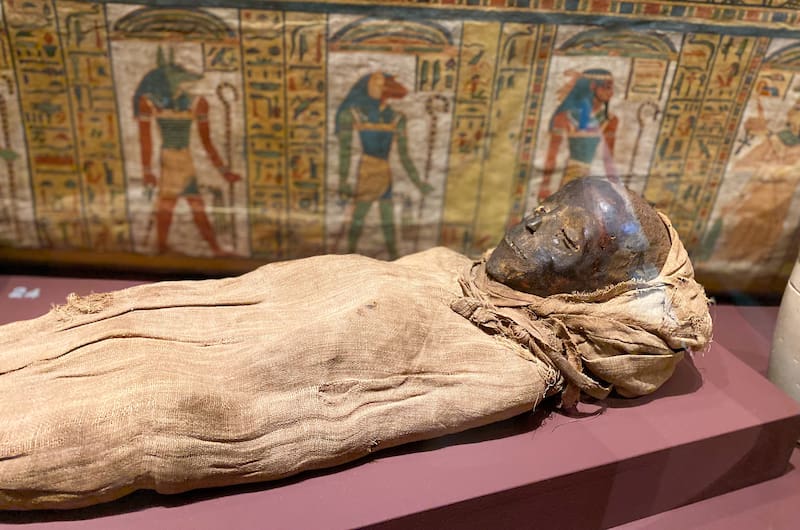
Analysis of the remains made it possible to establish that the man died many centuries after the construction of the sarcophagus. According to Westminster Abbey, bone specialist James Young Langthorne estimated that he was between 35 and 49 years old and about 1.75 meters tall. In this regard, a bone sample was sent to the Scottish Universities Environmental Research Centre for radiocarbon dating.
The results placed the remains between the years 987 and 1052 AD, confirming that the sarcophagus had been reused during the late Anglo-Saxon period. The evidence thus supported the hypothesis that the tomb had been adapted for a medieval burial, although dating alone did not make it possible to determine the deceased man’s name.
Who are the two ancient religious leaders who could be buried there?
The abbey’s consulting archaeologist, Warwick Rodwell, identified two possible candidates: Ælfwig and Wulfnoth, former superiors of Westminster’s Benedictine monastery. Ælfwig held the post of abbot between 993 and around 1020, while Wulfnoth was his successor and remained in the position until 1049. The dates of their lives are consistent with the period to which the skeleton belongs.
Rodwell considers Ælfwig the most likely candidate because he was already a Westminster monk before becoming abbot. However, the researcher does not rule out Wulfnoth and acknowledges that both could fit the available evidence. The burial in an elaborate stone sarcophagus and the cross carved into the lid support the hypothesis that the deceased was a high-ranking religious figure, but they do not amount to a definitive identification.
The remains, therefore, could belong to one of the two clerics, although the mystery is not completely solved. Currently, the sarcophagus is on display in the Queen’s Diamond Jubilee Galleries inside Westminster Abbey, where visitors can see the tomb that gave rise to this investigation.