
En esta noticia
The Orionid meteor shower reaches its peak overnight from October 21 to October 22, but skywatchers will still have opportunities to see the celestial event in the weeks ahead. The annual meteor shower, caused by debris left behind by Halley’s Comet, remains active through November 7.
Although meteor activity is expected to decline after the peak, observers across the United States can still look for shooting stars under favorable viewing conditions. Dark skies and a location away from artificial lights can improve the chances of spotting meteors.
When is the best time to watch the Orionid meteor shower?
The Orionids peak overnight from October 21 into October 22. However, the meteor shower remains active through November 7, according to NASA, giving observers additional opportunities to catch the display.
The best time to watch is generally in the hours before dawn, when the constellation Orion is higher in the sky. Moonlight, cloud cover, and local weather conditions can affect how many meteors are visible.
Under ideal conditions, the Orionids typically produce around 10 to 20 meteors per hour. The actual number may be lower outside the peak period or in areas with significant light pollution.
Where can you see the Orionid meteor shower?
The Orionids are visible from both the Northern and Southern Hemispheres, weather permitting. In the United States, viewers should seek out dark locations away from streetlights, buildings, and other sources of artificial light.
The meteors appear to originate from the direction of the constellation Orion, which rises in the eastern sky during the evening and climbs higher overnight. However, they can streak across any part of the sky, so observers should look at a wide area rather than focusing exclusively on the constellation.
No telescope or binoculars are necessary. Find a spot with a clear view of the sky, allow your eyes about 30 minutes to adjust to the darkness, and look upward. Checking the local weather forecast can also help determine whether clouds will interfere with visibility.
What causes the Orionid meteor shower?
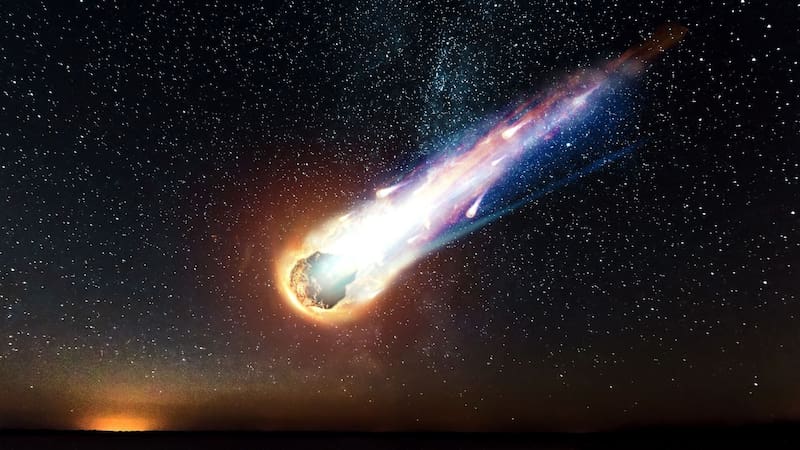
The Orionids occur when Earth passes through a trail of dust and debris left behind by Halley’s Comet. As these particles enter Earth’s atmosphere at high speeds, they heat up and produce the bright streaks commonly known as shooting stars.
Halley’s Comet takes about 76 years to orbit the Sun and last passed through the inner solar system in 1986. It is expected to return in 2061.
Although the comet itself will not be visible during the Orionid meteor shower, the debris it left behind creates an annual display that can be observed without special equipment. While the peak offers the greatest chance of seeing more meteors, the shower can still be observed as activity gradually declines toward November 7.