

En esta noticia
The Internal Revenue Service (IRS) can reduce the amount of a tax refund when it detects errors on a return or identifies outstanding debts that must be deducted from money owed to the taxpayer.
There are several reasons the IRS may take this action. In its official website, the federal agency explains the most common errors on tax returns that can lead to a smaller-than-expected refund.


What tax return errors can lead to a smaller refund?
According to the IRS, an adjustment to a tax return is one of the most common reasons for reduced refunds.
The main reasons for adjustments include:
- Math errors when adding, subtracting or entering numbers.
- Ineligible credits or deductions, such as claiming an ineligible child or a deduction for which the filer does not qualify.
- Taxes owed from the previous year.
- Paying less than required in estimated taxes during the year.
How do I know if I received a reduced refund?
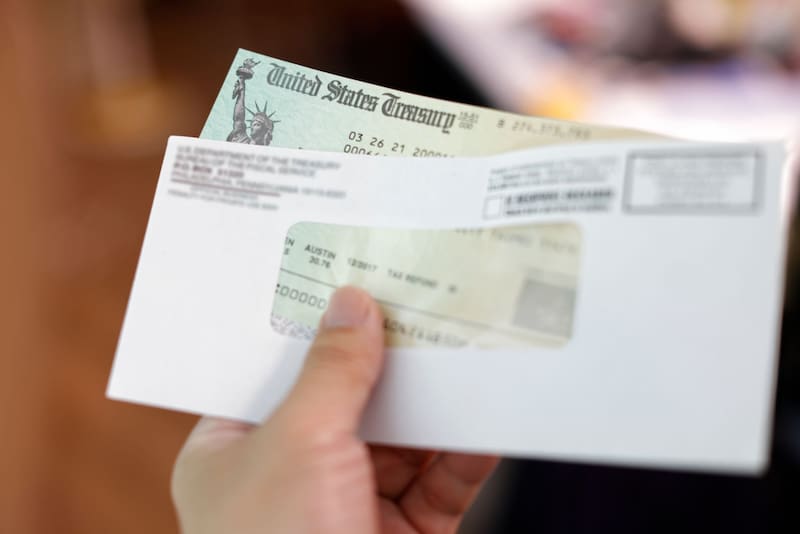
The IRS informs taxpayers when it makes an adjustment that changes the amount of their refund. In these cases, it sends a notice by mail explaining how the money was applied and the reasons for the reduction.
If the deduction was made to cover an outstanding debt, the notice will be sent by the Bureau of the Fiscal Service (BFS), which is part of the Treasury Department. The document will detail the original refund amount, the amount deducted and where the payment went.
What other factors can affect the amount of a refund?
In addition to errors on the return, there are financial obligations that can lead to a reduced refund through the Treasury Offset Program.
Debts that may be deducted from the money the taxpayer is supposed to receive include:
- Past-due child support.
- Non-tax debts owed to federal agencies.
- Outstanding state income tax obligations.
- Certain state debts related to unemployment benefits.
What happens if my refund was reduced by mistake?
If the taxpayer believes the IRS or Treasury Department reduced their refund incorrectly, they can challenge the decision. To do so, they must follow the instructions in the notice they received and contact the appropriate agency.
There is also a special situation for those who filed jointly. If the refund was reduced to cover a debt that belongs solely to the spouse, the other person may be entitled to recover the portion of the money that belongs to them through the process known as Injured Spouse Relief.