
En esta noticia
Shopping is one of the highlights of a trip to Europe for many Americans, but price tags hide a cost that most visitors don’t notice and can come in handy.

In the European Union, prices already include a value-added tax (VAT), a national tax charged at every stage of production and sale. Standard rates range from 17% in Luxembourg to 27% in Hungary.
Travelers who live outside the EU can get part of that money back on goods they take home. The process, however, has several conditions.
What is European VAT, and how does it work?
The value-added tax (VAT) is similar to the traditional sales tax in a sense that the consumer pays it at the point of purchase.
But unlike the United States, where tax is tacked on top of an item’s retail price, in Europe, VAT is already factored into the price tag.
When can you get a VAT refund on your purchases?
Anyone who is a non-EU resident can claim a VAT refund on purchases made in Europe. When you are departing, you will need to present
- Stamped VAT refund documents.
- Physical goods in your personal luggage
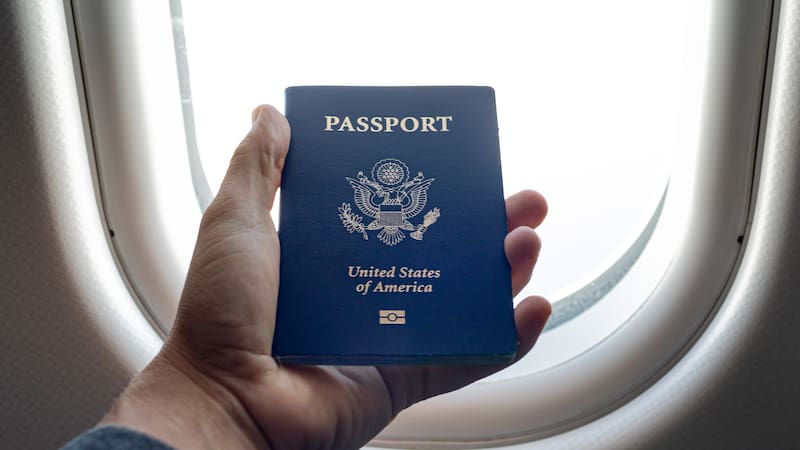
- Prove that you are a non-EU resident with the passport or residence permit
Also, for getting the refund, the presentation of all these items needs to be within three months of the purchase. For the items to be eligible, they must be new and unused or unworn. The idea is that the goods are for “export,” not for use on your trip.
Each country sets a minimum purchase per store, which under EU rules cannot exceed €175. The threshold varies widely: €100 in France, €70 in Italy and €50 in Germany, while Spain has no minimum at all. The United Kingdom no longer offers tax-free shopping after Brexit.
The step-by-step for getting the VAT refund
VAT refund rules vary from country to country in the EU, but here’s a general breakdown of how the VAT refund process works.
Request the VAT refund form
Most luxury retailers and department stores will automatically offer a VAT refund document, but you can also ask the cashier for the paperwork.
Fill out the refund form
Retailer fills out and signs or stamps the refund form before attaching the receipt. You will need to keep receipts, as they need to be presented at a VAT refund counter when leaving the EU.

Get your tax-refund form stamped
When you are at the airport, go to the customs office and get a stamp from customs or electronic validation at a kiosk. You will still have to validate your forms by scanning or stamping them at the airport to proof you have taken the items out of the EU.
Claim your refund
Depending on the airport, you may have to go to a separate VAT refund counter and show every receipt and refund form to customs agents.
You can pick between an instant cash refund, which may come with a higher commision fee, or a refund to your credit card, which may take a couple of days.
Keep your forms together in case you haven’t been refunded within six weeks and need to follow up.