En esta noticia
The House of Representatives approved the Faster Labor Contracts Act, a new labor reform that requires employers to negotiate contracts with newly formed unions within strict deadlines. The vote was 230 to 193, with 20 Republicans crossing party lines to support the measure.
The bill amends the National Labor Relations Act and was forced to the floor through a discharge petition, a mechanism that allows the House leadership to be bypassed with 218 signatures of support. It was pushed by Democratic Representative Donald Norcross of New Jersey.
What does the new labor reform approved by Congress establish?
The new law states that once the union is voted in, the employer has 10 days to begin negotiations for the first collective bargaining agreement. If there is no agreement, mandatory progressive stages are triggered.
Key deadlines in the reform
- Days 1–10: the employer must sit down to negotiate.
- 90 days: direct negotiation between the company and the union.
- 30 additional days: federal mediation if there is no agreement.
- Final stage: an arbitration panel that can impose a binding contract.
The measure aims to eliminate a widespread practice: on average, workers wait 458 days to secure their first contract.
What happens now with the reform and how does it affect workers?
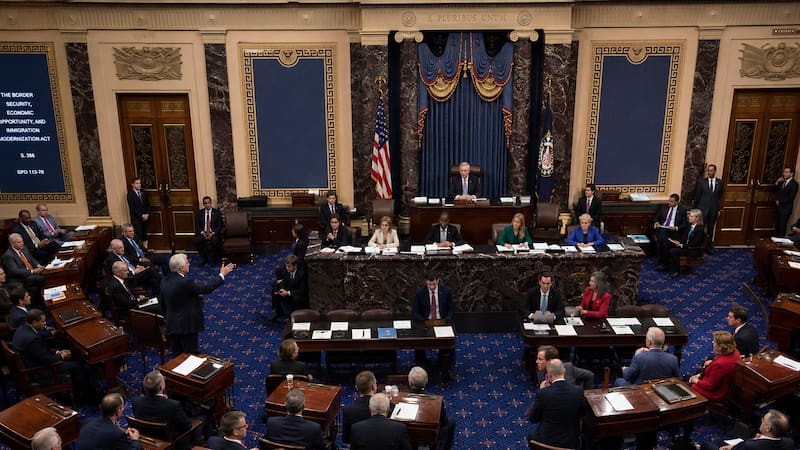
The new labor law moves to the Senate, where it faces an uncertain outlook under Republican control. There is already a companion bill, S. 844, introduced by Senator Josh Hawley (R-Missouri) with bipartisan backing and the endorsement of the Teamsters.
If it becomes law, it would be the most significant change in labor protections since before World War II, according to its backers. Hawley called on the Senate to act: “Workers need real reform that puts them first.”