
En esta noticia
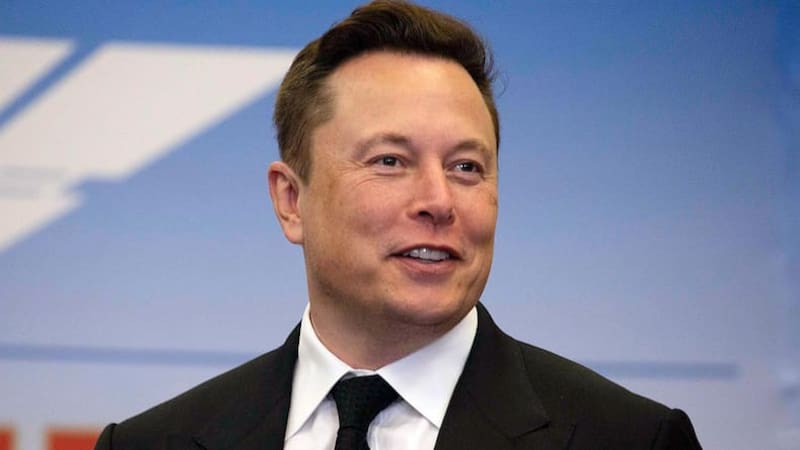
Elon Musk predicts the end of retirement saving, arguing that the advance of artificial intelligence (AI) and robotics could usher in an era of economic prosperity in which saving money for retirement would no longer be necessary.
For decades, saving for retirement has been one of the main ways to ensure some financial stability in old age. However, the mogul argues that this habit could lose relevance in the future thanks to the development of AI and robotic systems, which, according to his forecasts, would allow levels of economic abundance never seen before.
The owner of companies such as Tesla and SpaceX believes that the arrival of an AI capable of surpassing human abilities will bring a profound transformation to the global economy. Among the possible effects he cites are higher production of goods and services and a significant drop in costs. Under those conditions, people could stop relying on their savings to maintain their standard of living over the long term.
Elon Musk Predicts the End of Retirement Saving
The conversation picked up after a user on the social network X shared some of his financial decisions in light of the possibility that humanity is approaching an era of economic abundance.
In his post, the user suggested that several current concerns could lose importance in the coming years, though he clarified that this should not be taken as an invitation to handle money irresponsibly.
In response, Elon Musk agreed with that view and said saving for a distant future could stop making sense because of the prosperity superintelligent AI would create.
This is not the first time the businessman has floated the idea. During an interview on the Moonshots podcast, hosted by Peter Diamandis, he also advised listeners not to worry about setting aside money for retirement in one or two decades.
“Don’t worry about saving money for retirement in 10 or 20 years. It won’t matter”, he said on X.
His argument is based on the idea that integrating advanced AI systems with robots will make it possible to:
- Automate numerous tasks
- Increase productivity
- Produce a wide range of goods and services on an extraordinary scale
From this perspective, lower production costs and greater access to resources could radically change how the economy works and reduce the need to rely on traditional savings mechanisms.
However, this scenario is a forecast about technological development and its possible economic effects, not a guaranteed future.
Elon Musk Says AI and Robots Could Solve the National Debt
In another conversation with Walter Isaacson, the journalist and author of his biography, Elon Musk expanded on his views about technology’s impact on U.S. finances.
“I came to the conclusion that the only way to solve the national debt is with artificial intelligence and robots. We’re not going to fix it by trying to save”, he said.
From this perspective, the businessman believes economic growth driven by automation could reshape public finances, rather than relying solely on budget cuts and other conventional tools to control the deficit.
The possibility of reaching an abundance-based economy is not a new idea. For several decades, researchers and experts have studied how automation could increase the production of goods and services using fewer human and financial resources.

Why Could Stopping Retirement Saving Be Risky?
The entrepreneur’s comments reignite the debate over the difficulties millions of workers face in putting together enough money to support themselves after their working years.
In the United States, the evolution of private retirement systems shifted more responsibility onto workers themselves. Many have to manage their retirement accounts and take on the risks tied to their investments.
Adding to those difficulties are:
- The rising cost of living
- Wages that do not always keep up with that increase
- The inability to set aside a steady share of income for savings
For now, his comments should be understood as a projection about artificial intelligence’s potential, not as a guarantee of economic well-being. Until that transformation becomes real, giving up retirement savings remains an uncertain bet, not a financial recommendation backed by proven results.