

En esta noticia
Americans who still pay with cash could soon notice a major change at checkout. A newly approved bill in the House of Representatives would allow businesses across the United States to round cash purchases to the nearest five cents, making it easier to operate without pennies.
The proposal comes as the federal government moves to phase out the production of the one-cent coin, which has become increasingly expensive to manufacture. If enacted, the measure would create a nationwide standard for handling cash transactions while leaving electronic payments unchanged.


What the Common Cents Act would change for cash payments
The Common Cents Act would establish uniform rounding rules for purchases made with cash. Businesses choosing to apply the system would round the final bill to the nearest five cents instead of giving one-cent coins as change.
Under the proposal:
- Totals ending in 1, 2, 6 or 7 cents would be rounded down to the nearest five cents.
- Totals ending in 3, 4, 8 or 9 cents would be rounded up to the next five cents.
- Totals ending in 0 or 5 cents would remain unchanged.
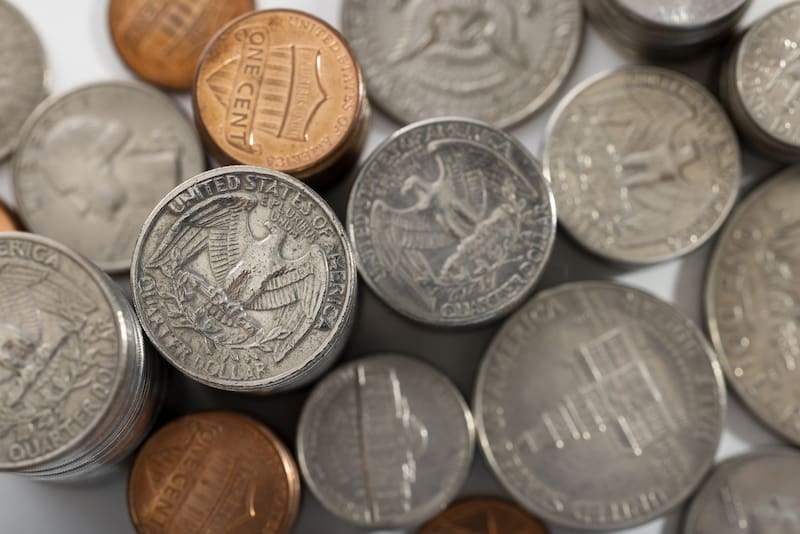
For example, a purchase totaling $10.02 would become $10.00, while one totaling $10.04 would be rounded to $10.05.
Will all shoppers be affected?
The proposal applies only to cash transactions. Consumers paying with a credit card, debit card, check, or gift card would continue paying the exact purchase amount because those payment methods do not require physical coins.
The bill also does not require every business to adopt the rounding system. Instead, it would give retailers and restaurants the option to use it while protecting them from legal claims related to the lack of one-cent coins.

Why lawmakers want to eliminate pennies from daily transactions
Supporters of the legislation argue that producing pennies no longer makes financial sense. According to the U.S. Mint, each one-cent coin costs several times its face value to manufacture, resulting in millions of dollars in annual losses.
Restaurant and retail groups also support the measure, saying many businesses have already struggled to provide exact change as pennies become less available. A nationwide rule, they argue, would simplify cash transactions and reduce operational costs.
The Common Cents Act has already passed the House of Representatives and must now be considered by the Senate before it can become law. If approved, it could permanently change how millions of Americans pay with cash at stores, restaurants, and other businesses across the United States.