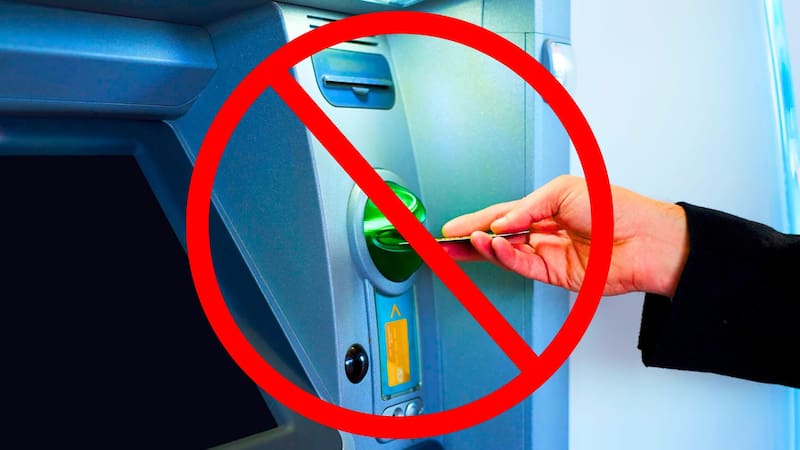

ATMs are one of the banking services most frequently used by individuals who need to carry out basic financial transactions in their daily lives, such as cash withdrawals or bill payments. Their accessibility and convenience make them an indispensable tool for managing personal finances.
In this context, the Department of Homeland Security (DHS) of the United States has issued a statement on its official website about a situation that could affect the operation of this service, which could make it harder for users to carry out their transactions through this channel.
Citizens must be aware of these eventualities to avoid inconveniences in their everyday transactions.
Times when ATMs cease operations
Authorities warn that power outages, caused by events such as extreme weather, can harm the normal performance of ATMs in the region, notably in the absence of an alternative supply.
Given that these systems require uninterrupted connectivity to the electrical grid, prolonged interruptions in power supply directly affect their operational capacity.
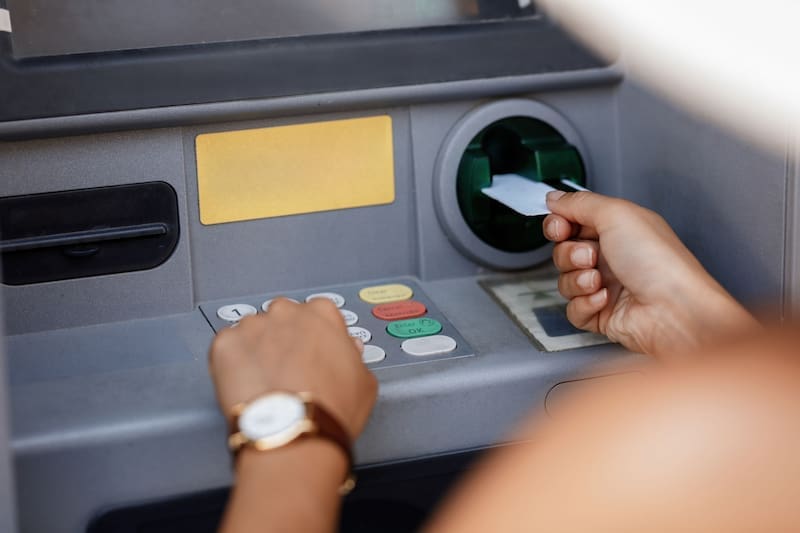
In such circumstances, while the service is not restored, users will not be able to withdraw or deposit cash, check balances and transactions, or make transfers.
However, certain transactions may be possible through online banking or the banks’ mobile apps.
Complementary services at risk of being affected
Creating an emergency preparedness plan is essential, since power outages could affect not only the electricity supply, but also the availability of food and certain medical devices.
Additionally, power outages can affect the normal operation of ATMs and banking activity in general, causing the following:
- Cause the closure of retail stores and supermarkets.
- Pause gas station service.
- Interfere with communication, water, or transportation services.