
En esta noticia
The 2026 time change for Daylight Saving Time (DST) impacts Wall Street and the dynamics of the financial markets in the United States.
The adjustment was made this year on Sunday, March 8, when clocks were set forward one hour, which temporarily changed the time references for investors who follow U.S. stock markets from other countries. The effect will be reversed on November 1.
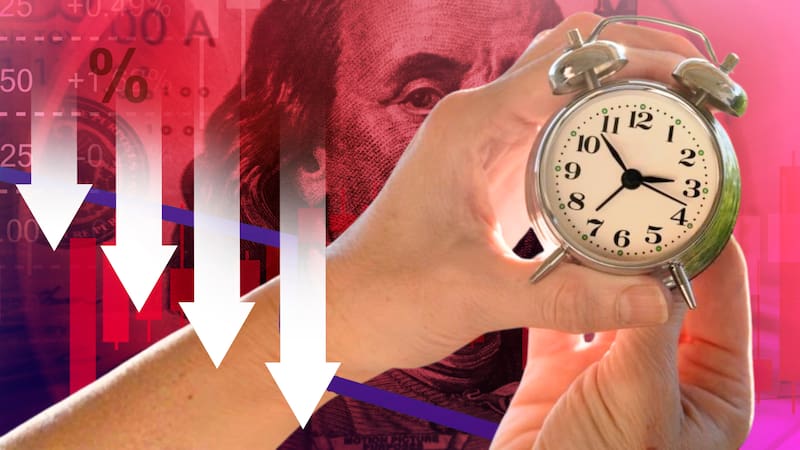
Various academic studies indicate that the start of DST can influence market performance, especially the Monday after the change. In recent years, including 2025, the first session after the adjustment coincided with weaker-than-usual days on Wall Street.

What changes on Wall Street with the time change?
This year, Daylight Saving Time 2026 began on Sunday, March 8 at 2:00, when clocks jump directly to 3:00. The trading hours of the U.S. stock exchanges do not change, but the time relationship with other financial centers around the world does.
One of the most relevant adjustments occurs with Europe. For a few weeks, the difference between New York and London goes from five to four hours, until the United Kingdom makes its own time change at the end of March.

Why could the time change affect market performance?
Various studies identified what is known as the “daylight-saving anomaly”, a pattern according to which stock markets tend to perform worse on the Monday after the spring time change.
A study published in American Economic Review found that, since the adjustment was moved to the second Sunday in March, the Dow Jones has recorded an average drop of 0.48% on that day, compared with an average gain of around 0.03% per session during the rest of the year.
Other factors that could influence investors
Behavioral economics suggests that small changes in routine can affect financial decisions. Among the factors mentioned are:
- Lower sleep quality after moving the clock forward.
- Temporary changes in investors’ mood.
- Reduced mental alertness and concentration.

Other studies also found links between stock market performance and variables such as the weather, sports results, or the amount of sunlight, suggesting that psychological and environmental factors can influence investment decision-making.