En esta noticia
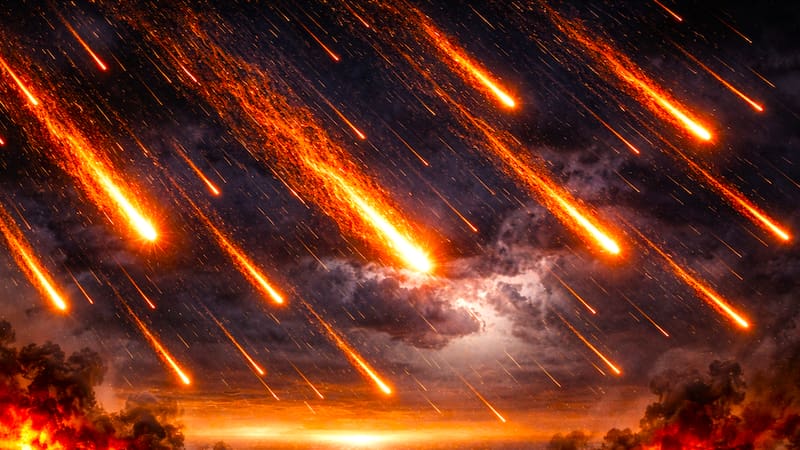
The Arietids are the most active daytime meteor shower of the year. Unlike other meteor showers, this phenomenon occurs during the day — but there is a 45- to 60-minute window before sunrise when it is possible to see them with the naked eye.
They are visible from both hemispheres and remain active until July 3. Their radiant point is in the constellation Aries: the meteors do not fall from above, but rather seem to emerge from the horizon into the sky.
Who can see this astronomical phenomenon?
Anyone who is in a place with a clear eastern horizon, far from artificial lights, and willing to wake up before sunrise can observe them. No special equipment is needed — naked-eye viewing is the most effective and safest.
Using binoculars or telescopes near the eastern horizon carries a real risk: with the sun about to rise, pointing optical instruments in that direction can cause permanent vision damage.
Ideal conditions
- Clear eastern horizon
- Away from light pollution
- Arrive at the viewing spot one hour before sunrise
- Waning moon phase, with less light interference
What to do if there are no dark skies nearby?
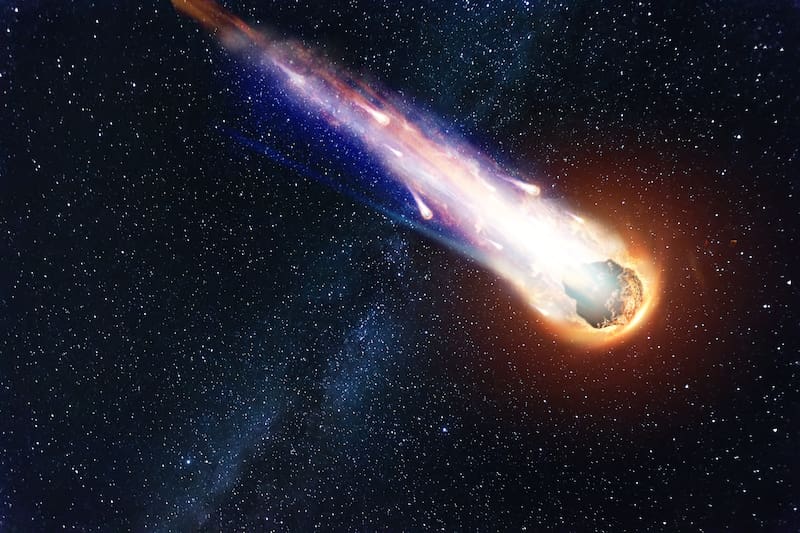
There is an unusual alternative: listen to them with an FM radio. When a meteor hits the atmosphere, it leaves a column of ionized gas that bounces distant radio signals back to the antenna.
You need to tune to a frequency with no local station — just static — corresponding to a broadcast station more than 500 kilometers away. Each meteor generates a brief burst of audio amid the noise. The shower remains active and detectable this way until June 24.