
En esta noticia
The upcoming winter could bring sharply different weather conditions across the United States as El Niño influences the atmospheric patterns that shape seasonal temperatures and precipitation.
The National Oceanic and Atmospheric Administration (NOAA) expects much of the northern part of the country to experience warmer-than-average temperatures, while the South and East could receive more precipitation than usual.
The agency’s 2026-2027 Winter Outlook, released on October 16, covers December through February and also points to potential improvements in drought conditions across several regions.

Which parts of the US could have a warmer winter?
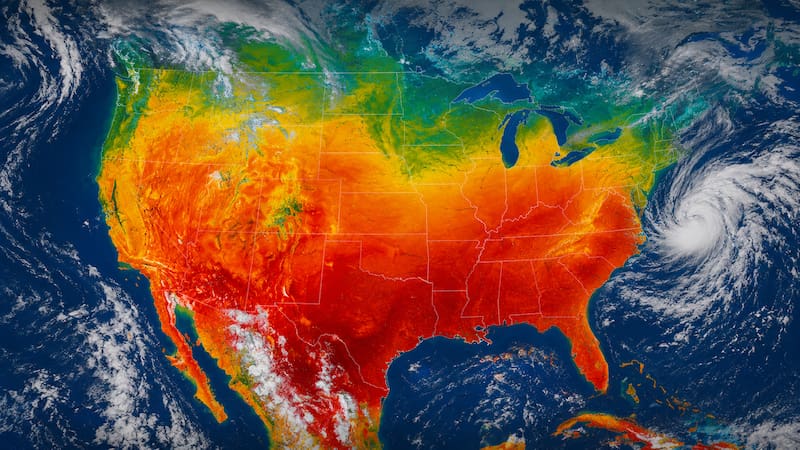
According to NOAA, the greatest chances of above-average temperatures extend across the Pacific Northwest, northern California, the northern Rockies, the Midwest, the Mississippi Valley and much of the eastern United States. Alaska is also expected to have warmer-than-average conditions.
Florida and parts of the Southeast have a different outlook, with temperatures more likely to remain near their seasonal averages. Hawaii and much of the Southwest have roughly equal chances of experiencing below-average, near-average or above-average temperatures.
These regional differences mean that El Niño’s influence will not be uniform across the country. Local weather conditions can still vary considerably, even when seasonal patterns favor warmer temperatures overall.
Where is NOAA forecasting more rain and snow?
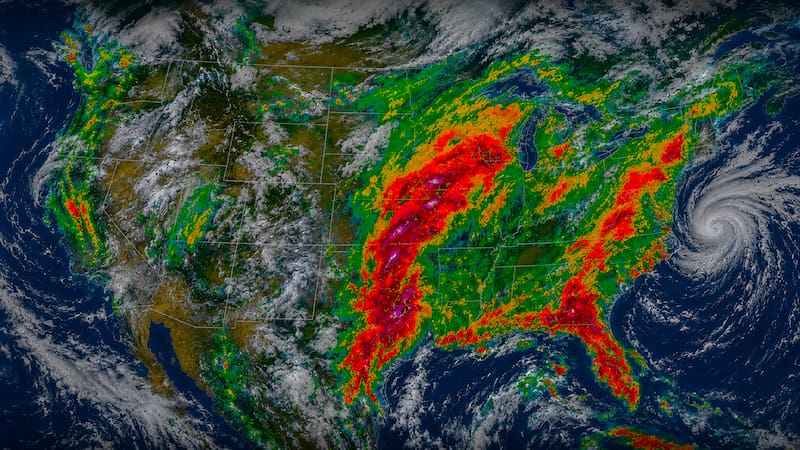
The seasonal precipitation outlook points to wetter-than-average conditions across the southern tier of the country, stretching from the Southwest to the Southeast, as well as along the East Coast.
By contrast, drier-than-average conditions are more likely in Hawaii, much of Alaska, parts of the northern Mountain West and some areas around the Great Lakes. Parts of the western Pacific Islands are also included in the drier outlook.
NOAA links the expected pattern to a potential southward and eastward shift in the jet stream, the fast-moving current of air that helps steer weather systems. According to the agency, a very strong El Niño would favor stormier conditions across the South.
Increased precipitation could bring rain or snow, depending on local temperatures and atmospheric conditions. However, the seasonal outlook does not specify how much snow individual cities or states will receive.

Could El Niño help end drought conditions?
One of the main potential benefits of the forecast is the possibility of drought relief in areas that have experienced prolonged precipitation deficits.
NOAA expects drought conditions to improve or end in parts of the Southwest, the Southern Great Plains, the Southeast and the East Coast by the end of January 2027.
The outlook also identifies areas where drought could worsen or develop, including parts of the northern Rockies, northeastern Oregon and eastern Washington.
More precipitation does not automatically eliminate drought, since its effects depend on how much rain or snow falls, where it falls and how quickly it accumulates. NOAA also warns that heavy precipitation on dry ground can increase the risk of flash floods and mudslides.