
En esta noticia
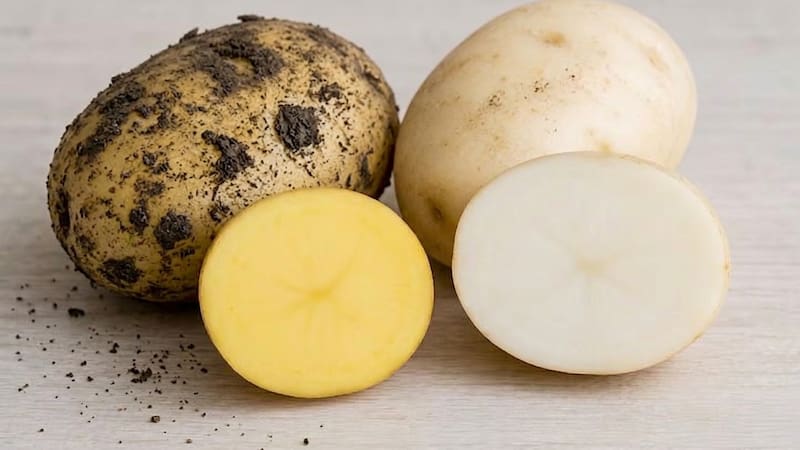
When it comes to preparing a meal, choosing between white potato or yellow potatoes may seem like a minor detail. However, the variety used can noticeably change the texture, consistency, and final result of a recipe.
Although both can be used in many preparations, they do not always respond to heat in the same way.
The amount of starch and moisture in each variety influences how they turn out after boiling, baking, frying, or mashing.
What is the difference between a white potato and a yellow potato?
The main difference to keep in mind when cooking is not only the color of the flesh, but also the specific characteristics of each variety.
Potatoes with a higher amount of starch tend to develop a drier, lighter, and fluffier texture after cooking. That is why they are especially useful for preparations where you want the potato to break apart easily, such as mashed potatoes, baked potatoes, or fried potatoes.
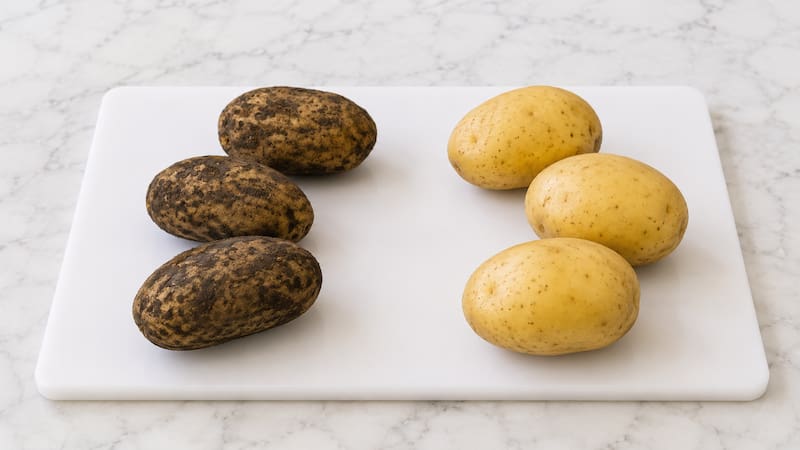
The yellow varieties, especially those with a firmer texture, usually hold their structure better during cooking.
When is it better to use white potatoes?
White potato can be an excellent choice when the recipe calls for a softer or fluffier texture.
Among the preparations where it can work especially well are:
- French fries: the starchier varieties promote a fluffier interior and a crispy surface.
- Mashed potatoes: their texture makes for a lighter mash that is easier to break apart.
- Baked potatoes: the higher starch content can help achieve a soft inside and a golden exterior.
- Stuffed potatoes: useful when you need a flesh that can be mixed and shaped easily.
Even so, not all white potatoes have exactly the same characteristics. The specific variety can change the result, so color alone does not make it possible to determine the starch content with certainty.
When is it better to choose a yellow potato?
Yellow potato can be especially practical in recipes where it is important for the pieces to keep their shape.
Some preparations where it can be a good option are:
- Potato salad: it holds its structure better after boiling.
- Stews: it withstands cooking well without falling apart quickly.
- Soups: they can add a firm, creamy texture.
- Boiled potatoes: it works well when a moist and firm texture is desired.
- Gratins: some yellow varieties provide a creamy texture without falling apart completely.
Its flavor may also be perceived as creamier and slightly sweet in certain varieties, although this depends on the specific type of potato.
The mistake that can ruin a potato’s texture
One of the factors that can affect the result the most is overcooking the potato. This is especially important when using varieties that are meant to stay intact.
When boiling them, it is best to start with cold water and control the cooking time to avoid them absorbing too much water and ending up too soft or falling apart.
So, before choosing between white and yellow potatoes, the most important thing is to define what texture the recipe needs.
For fluffy preparations, starchier varieties may be the best option; for dishes where the pieces need to stay firm, it is better to choose waxier varieties.
Choosing the right variety can make the difference between a potato that falls apart and one that keeps exactly the texture the dish needs.