
En esta noticia
Passengers flying within the United States can bring liquid medications in their carry-on bags, even when the containers are larger than 100 milliliters. However, this exception to the usual restrictions is subject to certain conditions.
According to the Transportation Security Administration (TSA), travelers may carry medically necessary liquids, gels and aerosols in reasonable quantities for their trip, as long as they declare them to officers during security screening.


What liquid medications can be brought on a plane?
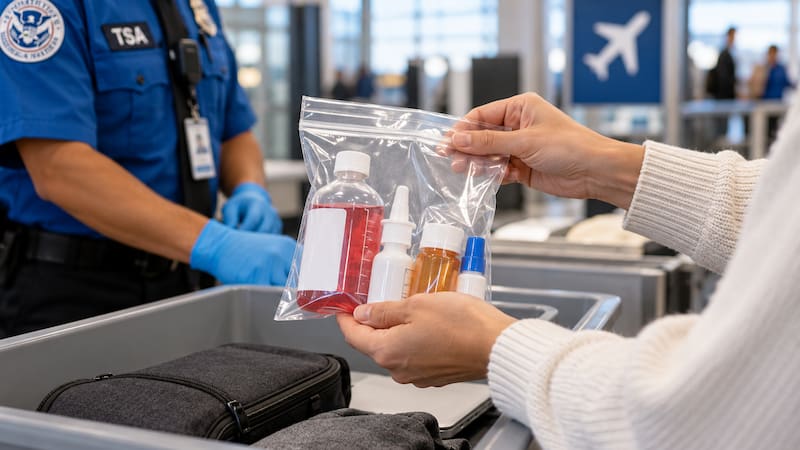
The TSA says liquids in carry-on bags must generally be in containers of up to 100 milliliters (3.4 ounces).
However, medically necessary products are exempt from this limit. These can include liquid medications, insulin and solutions used in medical treatments.
Products that may qualify for this exception include common liquid medications such as Pepto-Bismol, liquid acetaminophen and certain antacids, as long as they are medically necessary and carried in reasonable quantities for the trip.
The allowed amount must be reasonable for the passenger’s needs during the trip. So the exception does not mean any amount can be carried without limits.
What must passengers do to get through security?
Anyone carrying liquid medications in containers larger than 100 milliliters must tell TSA officers when they arrive at the screening checkpoint.
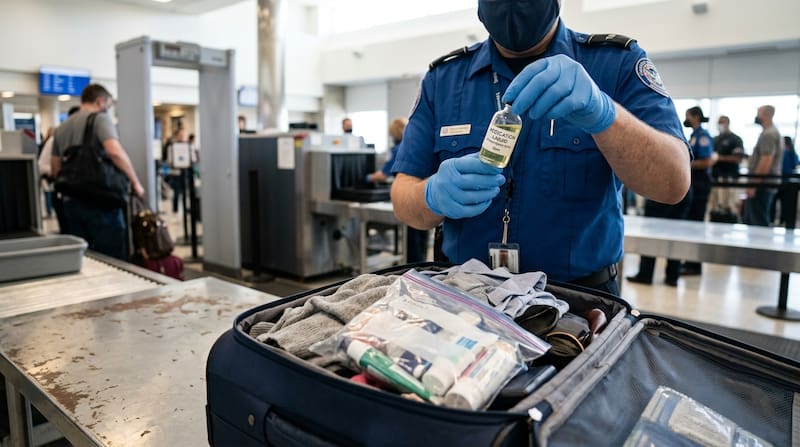
To avoid problems with the TSA, the agency says these products should be declared so staff can inspect them. It also says the medications do not have to be in their original pharmacy containers, though it recommends they be labeled to make inspection easier.
During the process, the medications may be subject to additional security screening. If officers cannot resolve alerts raised during the inspection, they could keep the product from entering the airport secure area.
However, exceeding the usual 100-milliliter limit is not, by itself, grounds to reject a medically necessary liquid medication, as long as it is carried in reasonable quantities and passes the required screening.