
En esta noticia
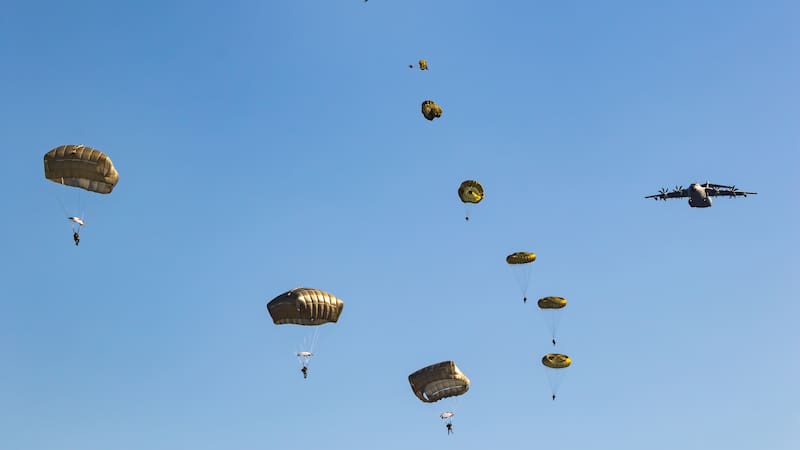
The United States deployed about 300 paratroopers to Hawaii after traveling 4,800 kilometers nonstop from Alaska. During the flight, the troops put on and checked their parachutes and combat gear inside the aircraft. On arrival, they jumped alongside an infantry company that had traveled from Japan.
The operation, called Arctic Aloha, was led by the 11th Airborne Division and was part of Rotation 27-01 of the Joint Pacific Multinational Readiness Center. The goal was to test the ability to move forces over long distances and carry out a joint military entry in the U.S. Pacific Command area of responsibility.

How the U.S. military operation in Hawaii unfolded
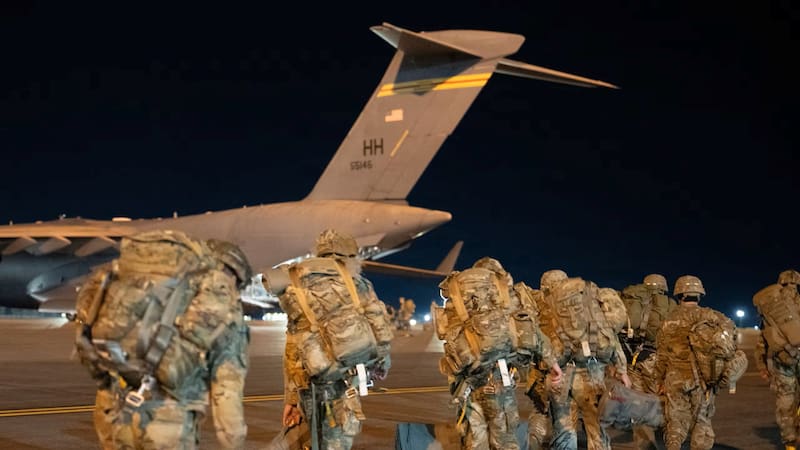
The paratroopers departed from Joint Base Elmendorf-Richardson in Alaska and flew for nearly eight hours over the Pacific Ocean.
One of the distinctive features was the in-flight preparation: the soldiers put on, adjusted and inspected their parachutes and combat gear while remaining on board. This allowed them to travel without carrying all of their equipment during the first hours and conserve energy for the deployment.
In Hawaii, they met up with an infantry company that had arrived from Japan after taking part in Operation Keen Sword. The two forces jumped in as a coordinated combat unit.
What the exercise was designed to do
The drill aimed to validate the U.S. military’s ability to project forces thousands of kilometers and respond quickly in different geographic settings.
Col. Matthew Adamczyk, deputy commander of operations for the 11th Airborne Division, said: “This exercise gives us the opportunity to validate our ability to deploy strategically and project power over long distances”.
The operation also tested the Army’s new guidance, How the Army Fights, which organizes operations around four concepts: convergence, attack, close combat and endurance.
During the training, I Corps coordinated space, cyber and electronic assets, while other units simulated attacks on enemy air defenses. The paratroopers then moved into the area to secure strategic infrastructure.
The 11th Airborne Division is the only U.S. Army division specialized in Arctic and Pacific operations. After the exercise, its members will return to Alaska for new airborne assault drills.
The rotation brings together about 10,000 Army, Air Force, Navy and Marine Corps personnel, along with international allies.