
En esta noticia
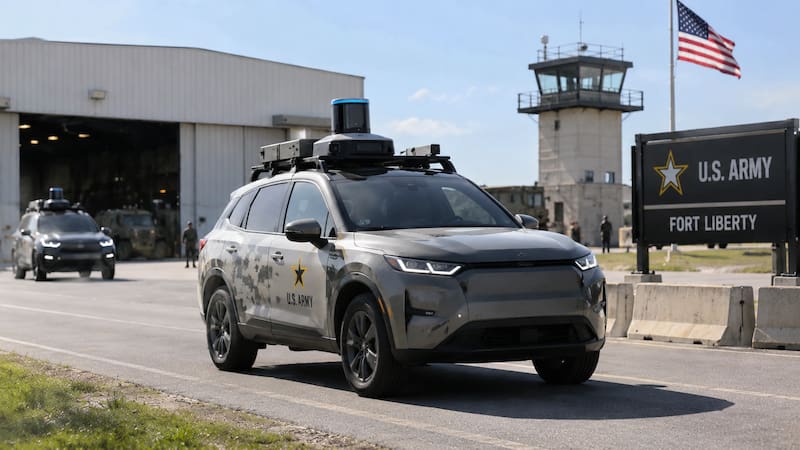
Self-driving cars and vans arrived at Fort Benning, Georgia, on Nov. 4 for an Army trial that could bring robotaxis to U.S. bases. It’s part of a Pentagon push worth up to $30 million to automate a fleet of more than 150,000 vehicles.
Those vehicles aren’t tanks or armored trucks. They’re the sedans, SUVs, vans and trucks that move people and supplies around bases every day, which the military calls nontactical vehicles.
The Army and the Defense Innovation Unit, a Pentagon office that adapts commercial technology for military use, launched the contest in May. It’s called ROADS, short for Robotic Operation for Autonomous Delivery and Sustainment.
Five teams made the cut for on-base testing at Fort Benning and at Fort Hood, Texas, according to the innovation unit. Tests are scheduled to run through the end of the year.
Why does the Pentagon want robotaxis on US Army bases?
The Defense Innovation Unit says the fleet runs without modern tools for dispatching and coordinating vehicles. As a result, many vehicles sit idle, the military keeps more of them than it needs and the risk of crashes goes up.
There’s a staffing cost, too: soldiers often leave training to drive troops or haul supplies around post. Alex Miller, chief technology officer to the Army chief of staff, said in May that automating those runs would free soldiers for their core duties.
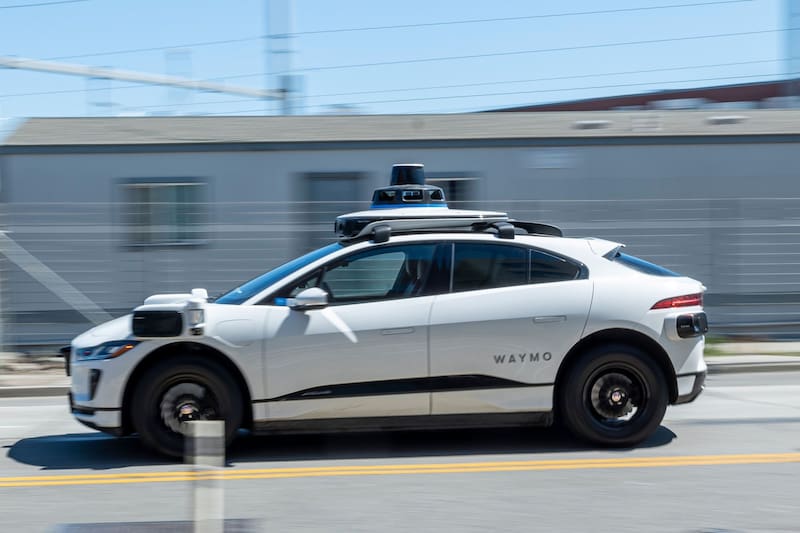
The model is the driverless ride service civilians already use in cities like Phoenix and Atlanta. Forterra and May Mobility, which entered as one of the selected teams, say soldiers would book rides through an app.
The idea isn’t entirely new to the military. Forterra says it has already run robotaxi service for soldiers at Womack Army Medical Center at Fort Bragg, North Carolina.
Which companies are testing self-driving tech on Army bases, and what happens next?
The five teams are Applied Intuition, Bot Auto, Perrone Robotics, Forterra paired with May Mobility, and Overland AI paired with Gatik.
For the first few weeks, human drivers will operate the vehicles to map approved routes, Army officials said. Those routes leave out sensitive sites such as the airfield and ammunition supply points.
Each vehicle will carry a safety driver during testing before any switch to fully driverless operation, according to the Army. Forterra says the schedule includes a monthlong pilot at Fort Benning.
Teams that perform well could share in the prize money and qualify for follow-on production contracts. Those contracts would open the door to a wider rollout across military installations.