En esta noticia
Hollywood is seeing a huge transformation on the way they treat death and older actors. Archive footage, computer graphics, holograms, or artificial intelligence can bring actors back to the screen long after their deaths, and the latest example of this is Val Kilmer, who died in 2025 and is now set to appear in the film As Deep as the Grave thanks to state-of-the-art generative AI.

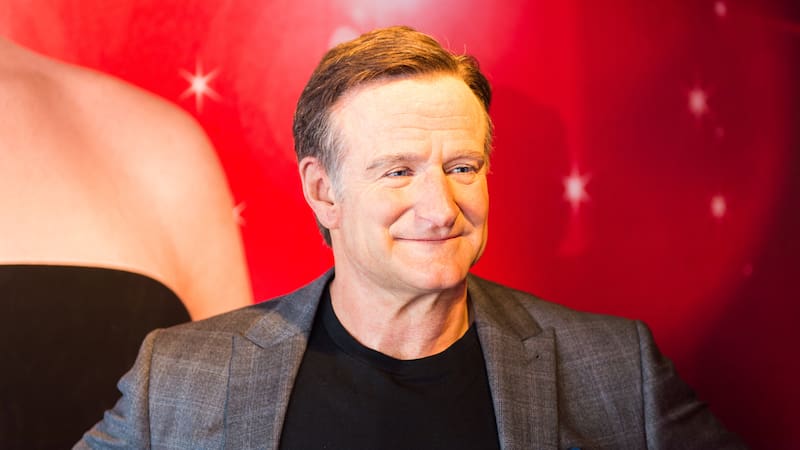
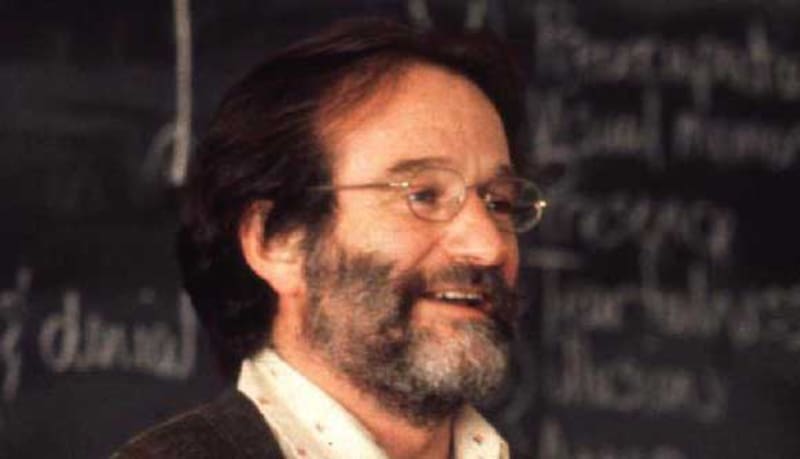
But Robin Williams made sure that would not happen to him, at least not for a long time. According to his trust, a legal document revealed in 2015 as part of a family dispute over his personal belongings, the actor transferred the rights to his name, signature, photograph, and likeness to the Windfall Foundation, a charitable organization set up by his lawyers.
An image restriction that lasts until 2039
The trust restricts the use of his image for 25 years after his death. Williams died on August 11, 2014, which means there can be no authorized advertisements featuring him until at least August 11, 2039, according to The Hollywood Reporter. The provision also blocks anyone from creating a hologram of the comedian or digitally inserting him into a new film.
Experts called the move unusual. “I haven’t seen that before. I’ve seen restrictions on the types of uses, such as no Coke commercials, for example, but not like this,” Laura Zwicker, an estate planning attorney at Greenberg Glusker, told The Hollywood Reporter.
California law already secures a person’s right to control the commercial use of their image for up to 70 years after death, but Williams added another layer of protection.
Robin Williams’ trust decision also brought tax benefits
The move may also have had a financial reason. At the time, the estate of Michael Jackson was fighting the IRS, which claimed it owed more than $500 million in taxes on the value of the singer’s image rights.
By placing his image rights in a charitable foundation, Williams may have limited his family’s tax bill, according to legal experts consulted by The Hollywood Reporter. If the foundation ever loses its tax-exempt status, the trust requires the rights to go to other charities, such as Doctors Without Borders or Make-A-Wish.
More than a decade later, the decision looks ahead of its time. As artificial intelligence makes it easier to recreate the voices and faces of actors who have died, stars will have to take difficult legal decisions to keep their personal image safe after their death.