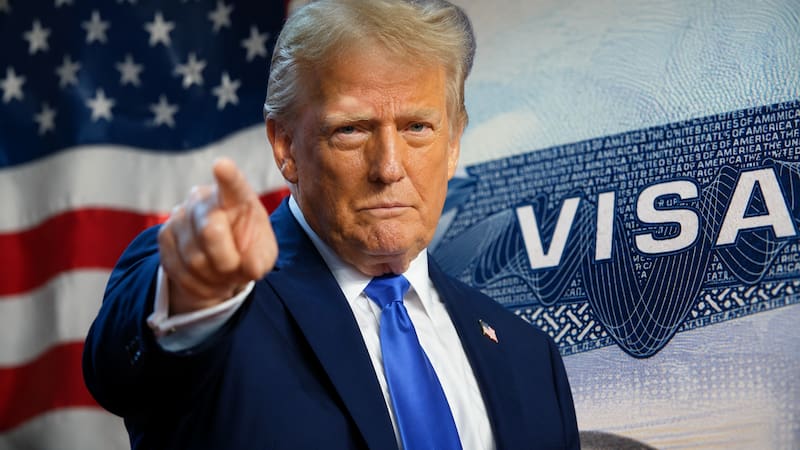

A federal judge eliminated the $100,000 surcharge that the Trump administration imposed on H-1B visas for highly skilled workers. The ruling, issued on Monday by Judge Leo Sorokin of the Boston District Court, fully struck down the policy that, since September 2025, had driven the cost of these visas from a few thousand dollars to more than $100,000.
The decision contradicts an earlier ruling by another federal court that had upheld the increase and opens the possibility of split rulings across three different appellate circuits. The White House has already announced that it will appeal the ruling.

Why was the fine on H-1B visas eliminated?
In a 42-page ruling, Judge Sorokin agreed with the plaintiffs that the charge imposed by Trump’s executive order amounts to an “unauthorized tax” and not a “regulatory fee,” as the administration argued.
“The president has no authority to levy a tax unless Congress expressly delegates it by law”, Sorokin wrote.

The policy also violated the federal Administrative Procedure Act and the Constitution, according to the judge. The lawsuit was filed by 20 Democratic state attorneys general, led by California, who argued that the charge prevented their states from hiring teachers, doctors, and university workers.
How much will H-1B visas cost again?
Before Trump’s increase, employers filing for an H-1B visa paid between $2,000 and $5,000 in fees, depending on various factors in the case. With the surcharge annulled, those amounts should again serve as the benchmark, although implementation will depend on what USCIS and the State Department decide.
The H-1B program grants 65,000 visas annually — plus another 20,000 for workers with graduate degrees from U.S. universities — with a validity of three to six years.
Since the increase was announced, the charge has caused panic among employers, students, and workers inside and outside the United States and has led to multiple lawsuits. The Trump administration has until September 2026 to appeal before the surcharge expires on its own.