

The West Texas Intermediate (WTI) barrel fell 2.4% on Tuesday to $89.11, after Iran and Israel agreed to halt mutual attacks following a call from President Donald Trump. Brent, the international benchmark, fell 1.75% to $92.60. Both sides, however, warned that they could resume hostilities.
The decline wipes out the gains from the previous session: renewed Israeli attacks on Iran and the bombings in Lebanon over the weekend had pushed crude prices up 5% on Monday.
At 09:00 local time, July WTI futures contracts were $2.23 below the previous day’s close.
President Trump said on Monday night that both sides are “very close to reaching a good, solid, and powerful agreement.” However, on Tuesday, the Israeli army attacked various areas in southern Lebanon, again testing the fragile two-month ceasefire. At least eight people were killed, and dozens more were injured in an attack on Tyre, one of the largest cities in southern Lebanon.
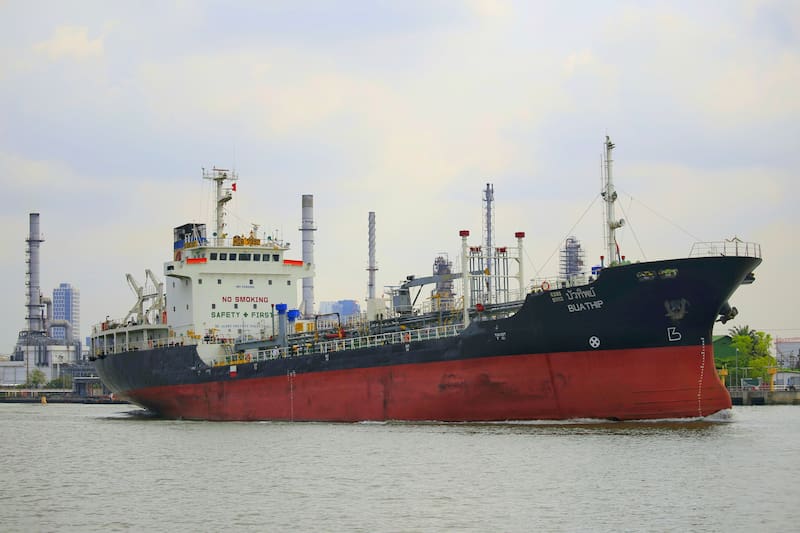
Iran continues to block much of the traffic through the Strait of Hormuz, which before the war carried a fifth of the world’s crude oil and liquefied natural gas. The United States, for its part, maintains its own blockade on Iranian ports. On Monday, U.S. forces immobilized an oil tanker in the Gulf of Oman after it attempted to head to an Iranian port in violation of the current blockade.
Also helping to contain prices was the decline in Chinese crude imports, which last month fell 29% to their lowest levels in eight years. In April, imports dropped to a multi-year low of 9.3 million barrels per day, with refiners in the world’s largest oil importer drawing on their reserves to offset an even steeper decline from a pre-war average of 11 million barrels per day.
On Wall Street, indexes closed Monday with mixed results: the Dow Jones fell 0.16%, while the S&P 500 rose 0.3% and the Nasdaq Composite 0.86%. Meanwhile, OpenAI began the process of going public.
With information from EFE and Reuters.