

En esta noticia
In the United States, the Internal Revenue Service (IRS) can inform the State Department when a taxpayer has tax debts considered seriously delinquent.
When this happens, the Government can take direct action on the passport, since the authorities are authorized to reject a renewal request or new issuance, and in certain cases, even revoke the document.

Pending tax procedures: What happens to the passports of delinquent taxpayers?
The tax agency can notify the State Department about the situation of taxpayers with large federal tax debts. A debt is considered serious when it exceeds 66,000 dollars, including interest and penalties in this amount as well.
However, before taking these measures, other phases must have been passed through, such as formal collection actions, the filing of a federal lien, or the issuance of a levy.
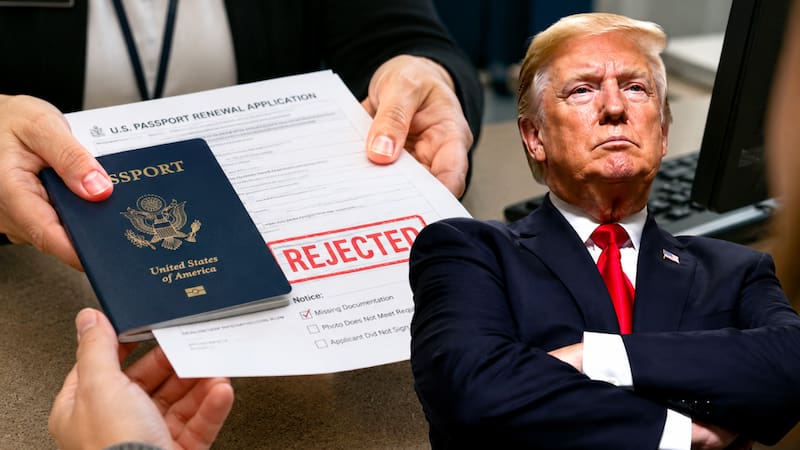
When the State Department receives this certification, it can deny the issuance and passport renewal and even revoke it if it is still valid. If an application had already been started, it will remain open for 90 days to give a grace period for the taxpayer to pay the debt, reach an agreement with the IRS, or correct the certification, in case it is erroneous.
Exceptions: What happens if the taxpayer is abroad?
When a taxpayer is outside U.S. territory, the certification of the debt is not removed, but their return to the country may be allowed through the issuance of a passport with limited validity.

Which tax debts are not reported?
IRS establishes that not all debts are certified to the State Department; some are excluded, such as:
- Child support.
- Debts that are being paid through an approved installment payment plan.
- Debts included in an accepted offer in compromise by IRS.
- Penalties linked to foreign bank account and financial reports.
- Obligations covered by certain agreements with the Department of Justice.
- Debts for which a Collection Due Process hearing has been requested.
- Obligations suspended by a request for innocent spouse relief.