
By Pedro Bianco
En esta noticia
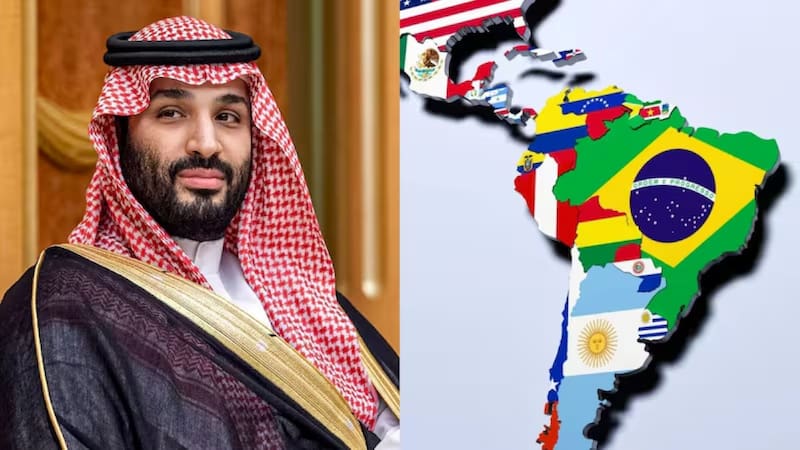
Saudi Arabia has found an original way to secure its food supply: instead of simply buying food, it is buying the companies that produce it. Through its state fund, the kingdom controls nearly a third of Minerva Foods, one of Brazil’s biggest beef exporters.
It’s a move that is part of its food security strategy and explains why Saudi “petrodollars” are landing in South American agribusiness.


The Saudi move to control a Latin American meat giant
The Saudi fund SALIC (Saudi Agricultural and Livestock Investment Company) became one of Minerva Foods’ biggest shareholders, with a stake of about 34% (33.83%), after increasing its holding in the company.
In other words, nearly a third of one of Brazil’s meat giants is in the hands of a Saudi state fund. Even so, the Saudi company describes itself as a “passive shareholder,” meaning a financial investor, not a day-to-day manager.
What is Minerva Foods
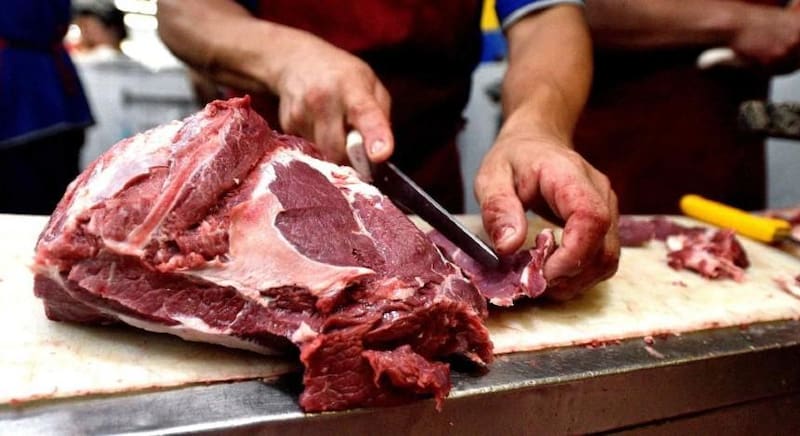
To understand the scale of the deal, it helps to know what company is involved. Minerva Foods is one of South America’s largest meat producers and one of Brazil’s leading beef exporters, with annual production of more than 1 million tons of meat and dozens of plants across the region. It is not just any company, but one of the central players in Brazil’s meat business, supplying much of the world.
What SALIC is and what it wants
SALIC is a Saudi state fund owned by the Public Investment Fund (PIF), the kingdom’s massive sovereign wealth fund. It was created in 2012 with the goal of securing Saudi Arabia’s food supply through investments and production in different parts of the world.
Saudi Arabia is a largely desert country with limited ability to produce its own food, so it depends heavily on imports. Buying stakes in companies that produce that food gives it a safer, more stable position than simply going out to buy meat on the market whenever it needs it.
Why it buys Brazilian meat instead of producing it
The underlying logic is food security. For a country that cannot grow or raise enough on its own territory, securing access to other countries’ production is a state policy. Brazil, one of the world’s biggest exporters of meat and grains, is a natural partner for that strategy.
Investing in its companies not only secures supply, it also allows Saudi Arabia to share in the profits of a business that will keep growing as global food demand rises.